

News
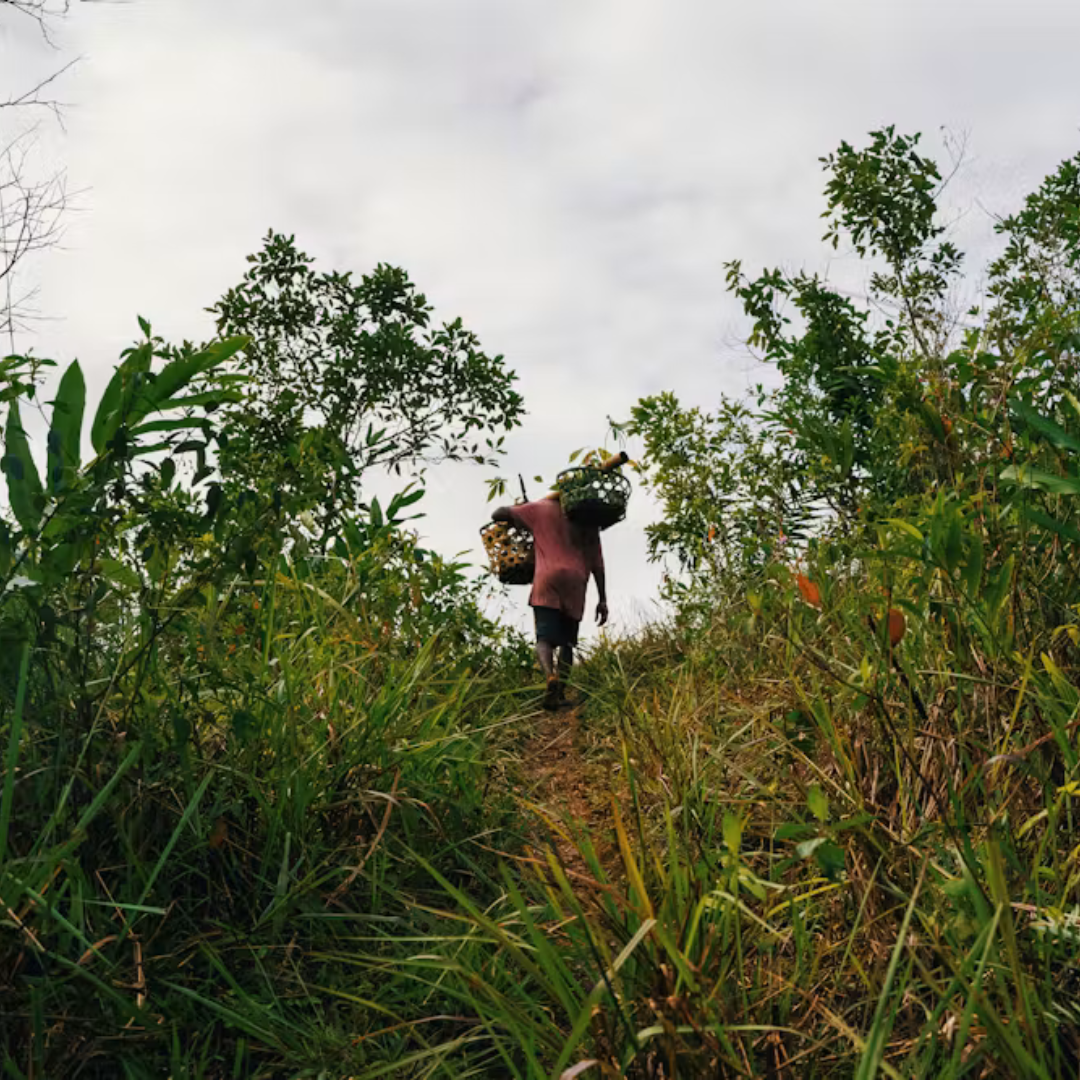
Africa’s climate services need local detail and knowledge, say people who use the information
PiNC researchers share an in-depth reflection on recent findings that useful climate services require scientists, climate information providers, local users and Indigenous knowledge holders to share what they know and develop information together.
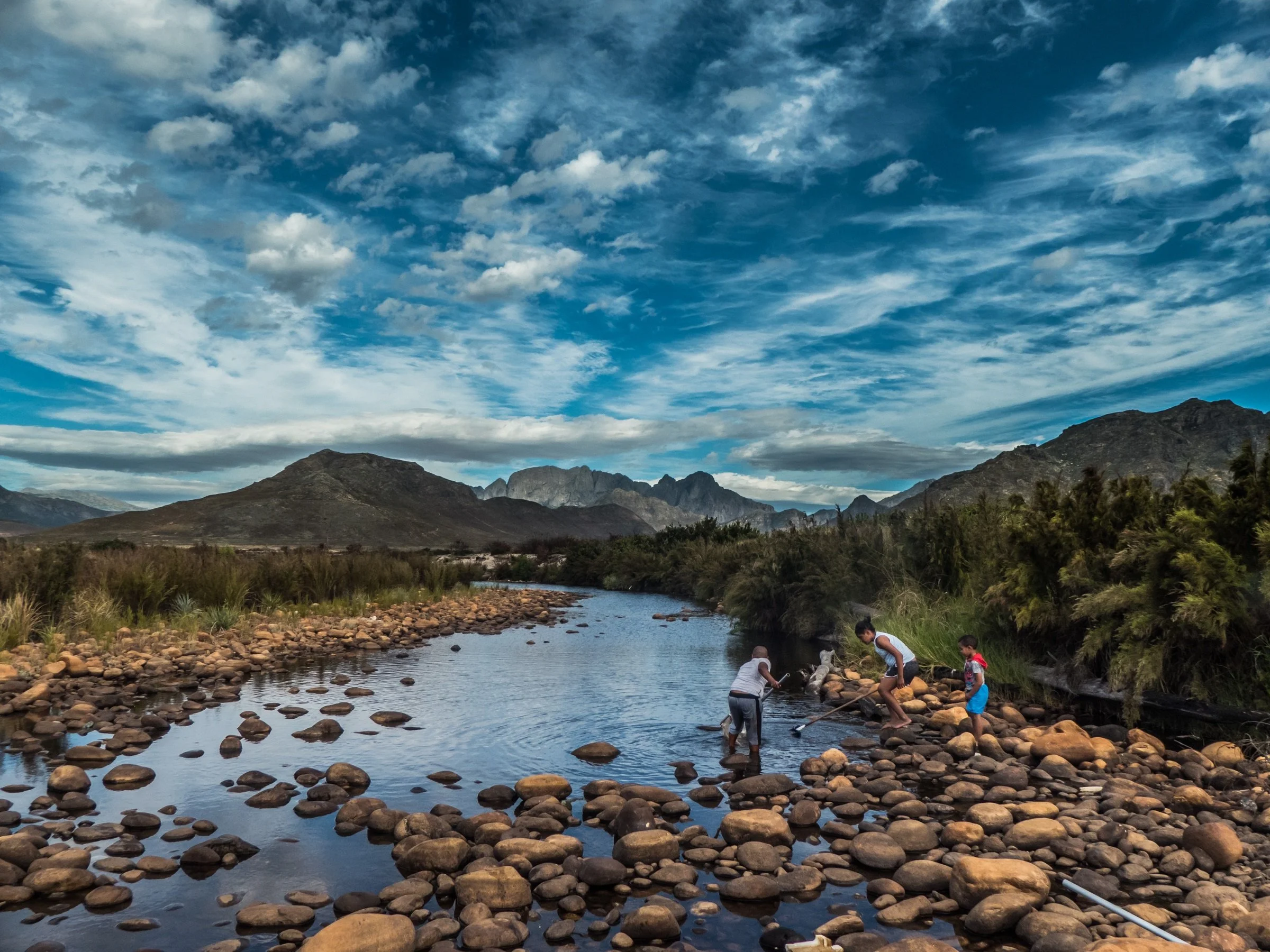
New research evaluates EbA in South Africa’s freshwater systems
A systematic review led by PiNC’s Chipo Mungenge reveals the potential for EbA approaches to reduce climate vulnerability, but identifies research and policy gaps to maximise its impact.
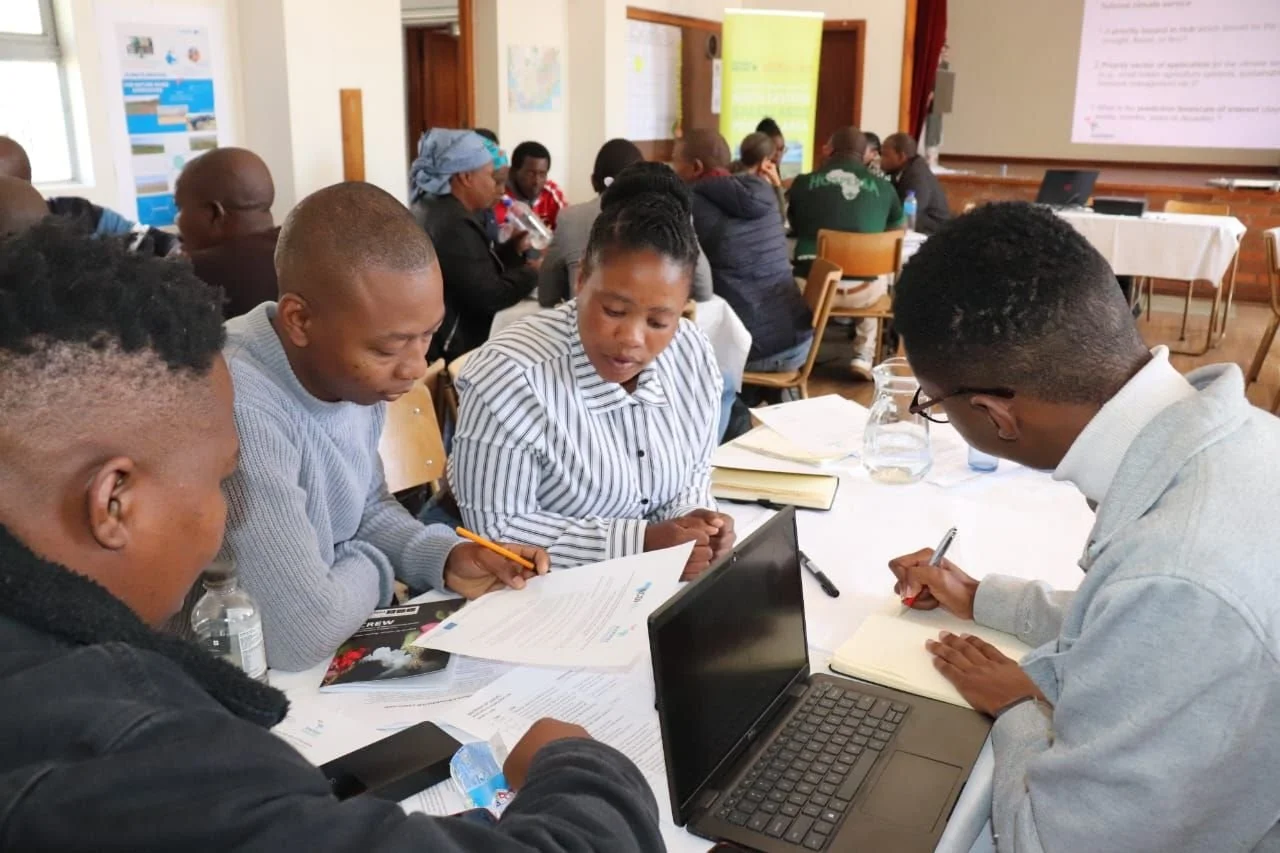
PiNC-led study identifies priorities for climate services to support NbS in sub-Saharan Africa
The research, co-authored by ARUA-CD and other African partners involved in the ALBATROSS project, outlines key priorities for reshaping African climate services, emphasising local context, improved climate literacy, and improved communication strategies.
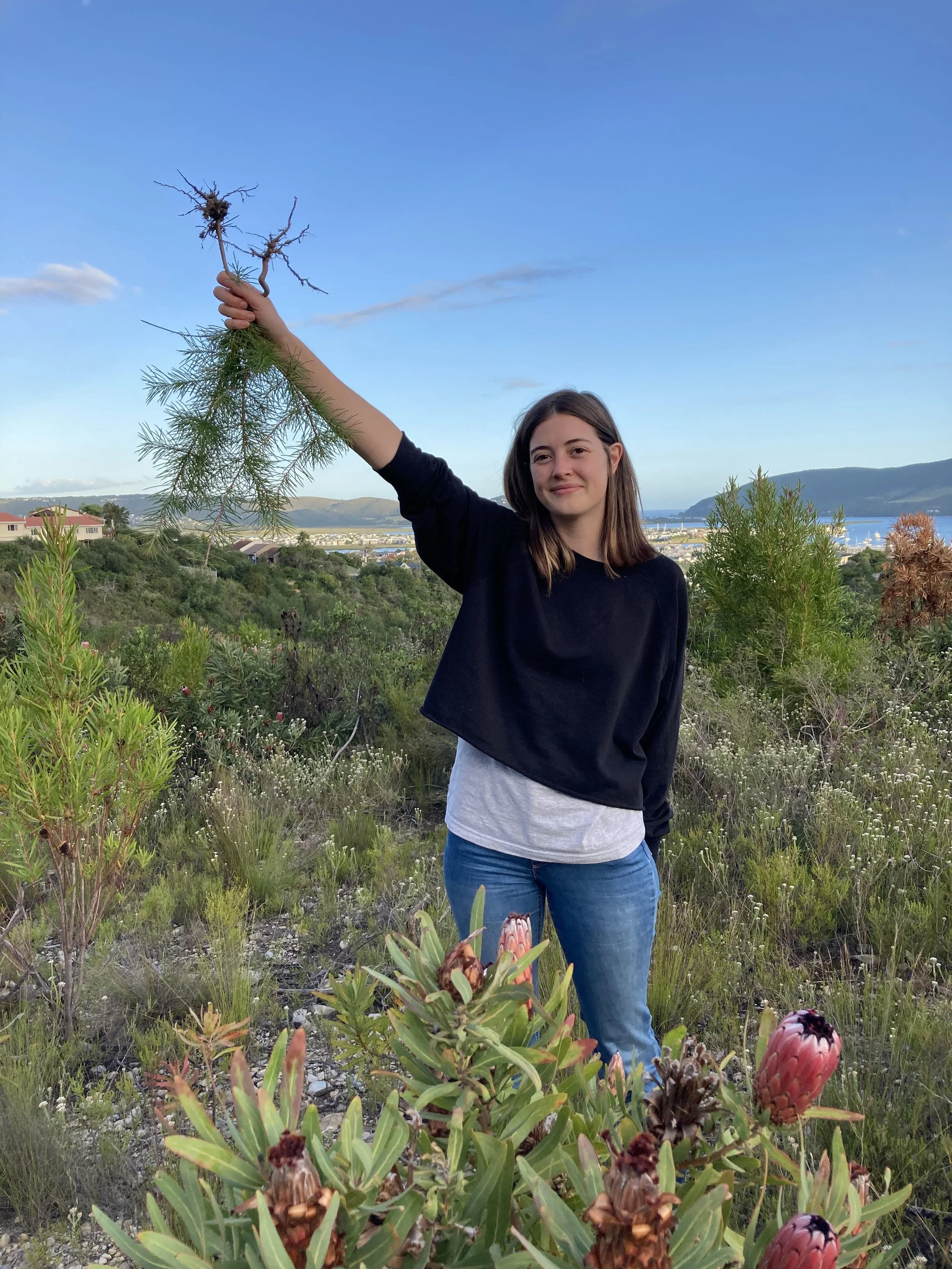
Investigating a ‘new normal’ fire season in the southwestern Cape
Inspired by the local landscape and the 2017 Knysna wildfire, ACDI researcher Isabella de Beer shares with the PiNC Lab findings from her master’s thesis into the human footprint on the southwestern Cape 2023-24 season.

What is climate change impact attribution all about?
A new review of current climate change impact attribution has been published with contributions from PiNC Lab, including the challenges and knowledge gaps that must be addressed for these results to be most effective in informing climate action and policy.
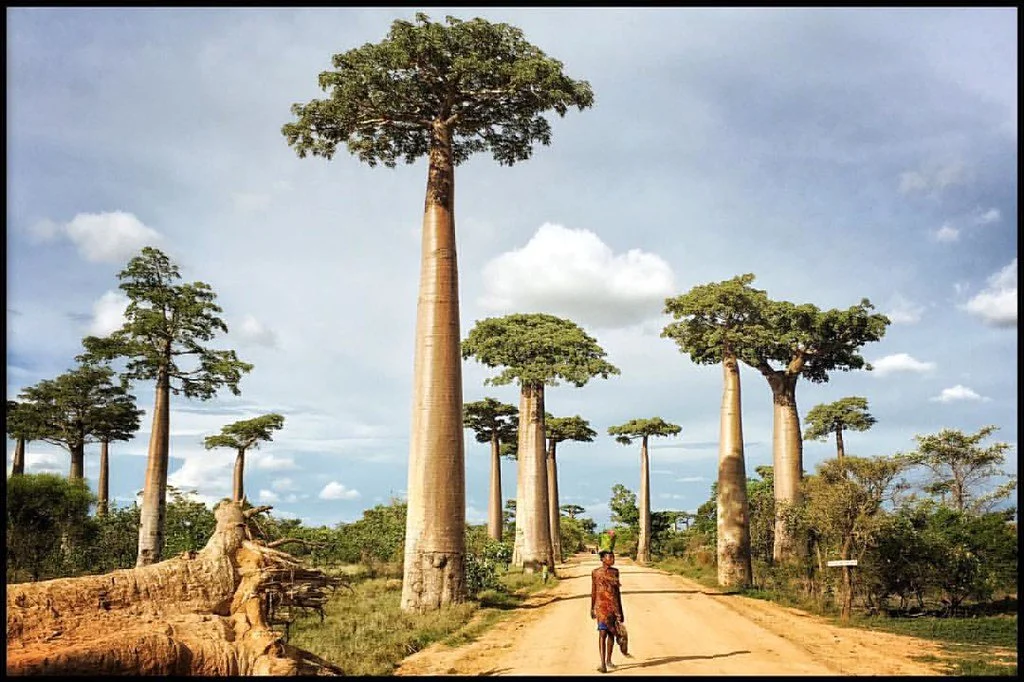
Madagascar’s ancient baobabs store 700 years of climate secrets: here’s what they reveal
#PiNC Lab Research Officer Estelle Razanatsoa and colleagues produced the first-ever tree ring rainfall record from isotopes in baobab rings in Madagascar. The work supports climate-resilient conservation, land management, and adaptation strategies for both people and biodiversity.
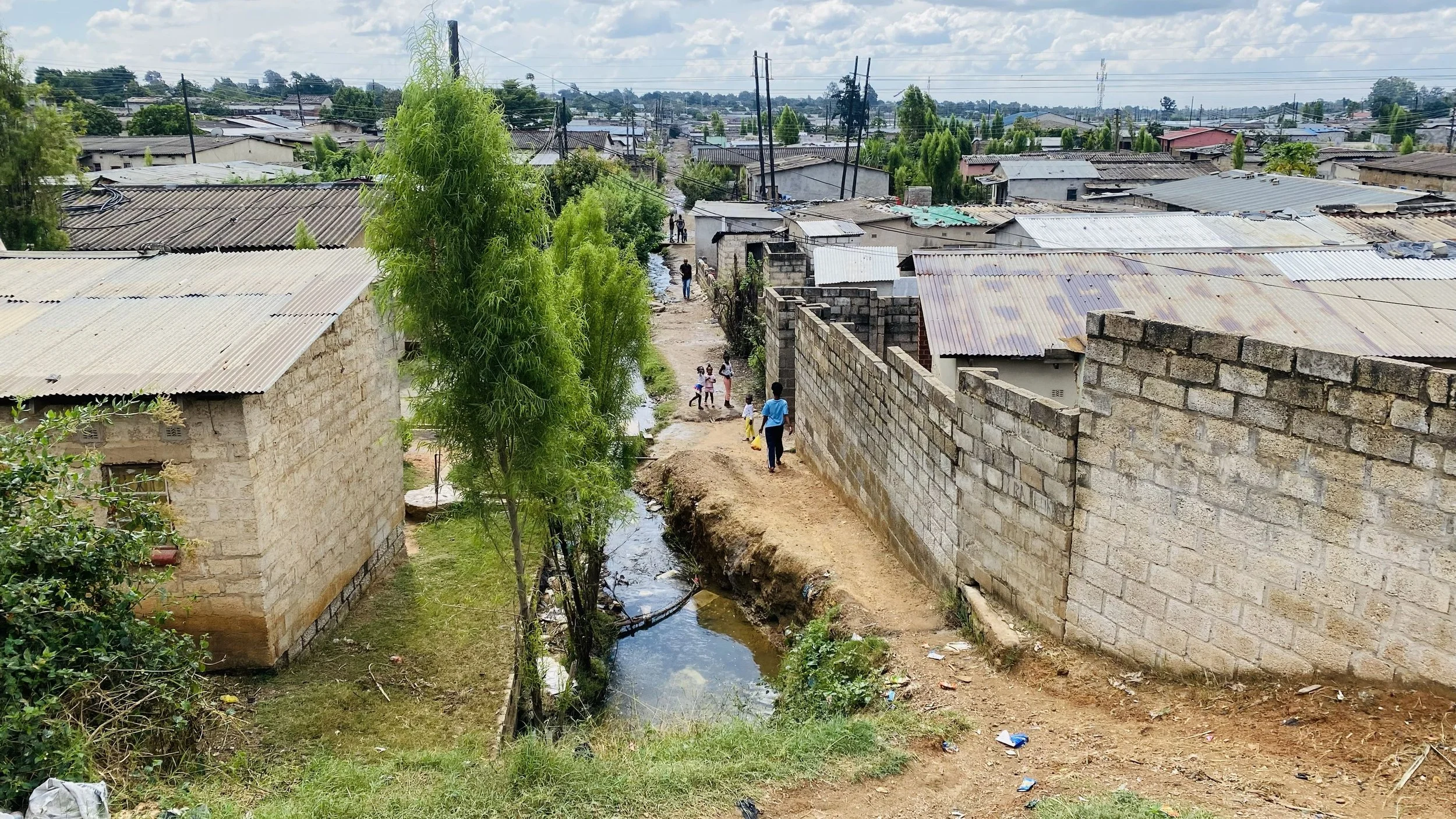
Nature-based Solutions (NbS) in African urban cities
Explore how nature-based solutions can be applied in African cities and urban informal settlements in this video, which includes insights into why context-specific design and inclusive partnerships are essential.
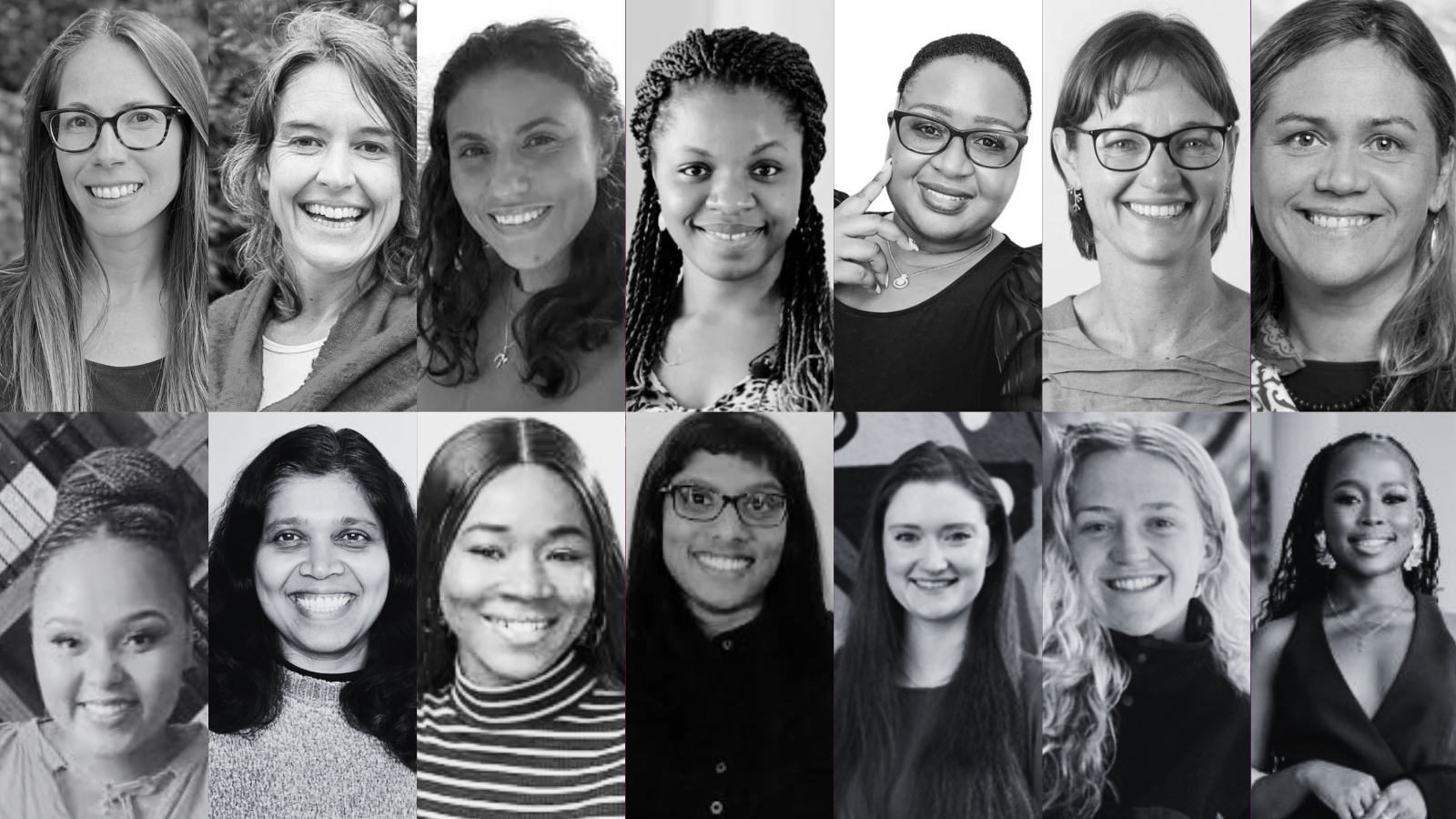
How early career research exchange can attract more women in STEM
PiNC Lab’s Ruwani Walawege reflects on the value of women in STEM studying nature-based solutions, and how exchange fellowships design can better enable their participation.
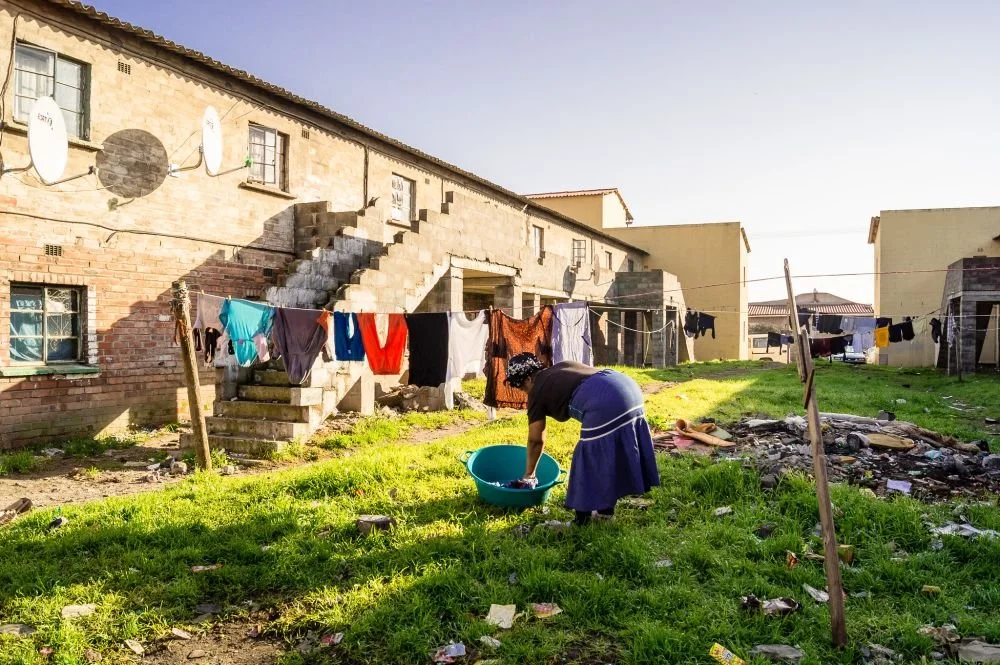
Climate change hits South African women unevenly: why race, class, age and power matter
In this article from The Conversation, researchers from the PiNC Lab at ACDI reveal why race, class, age and power matter when designing policies that respond to climate risks and reach the women who need support the most.

PiNC Lab researchers join new Data to Model (D2M) project
PiNC Lab’s Dr Petra Holden and Dr Assumpta Onyeagoziri are supporting a new three-year project that aims to improve hydrological modelling practice in South Africa.
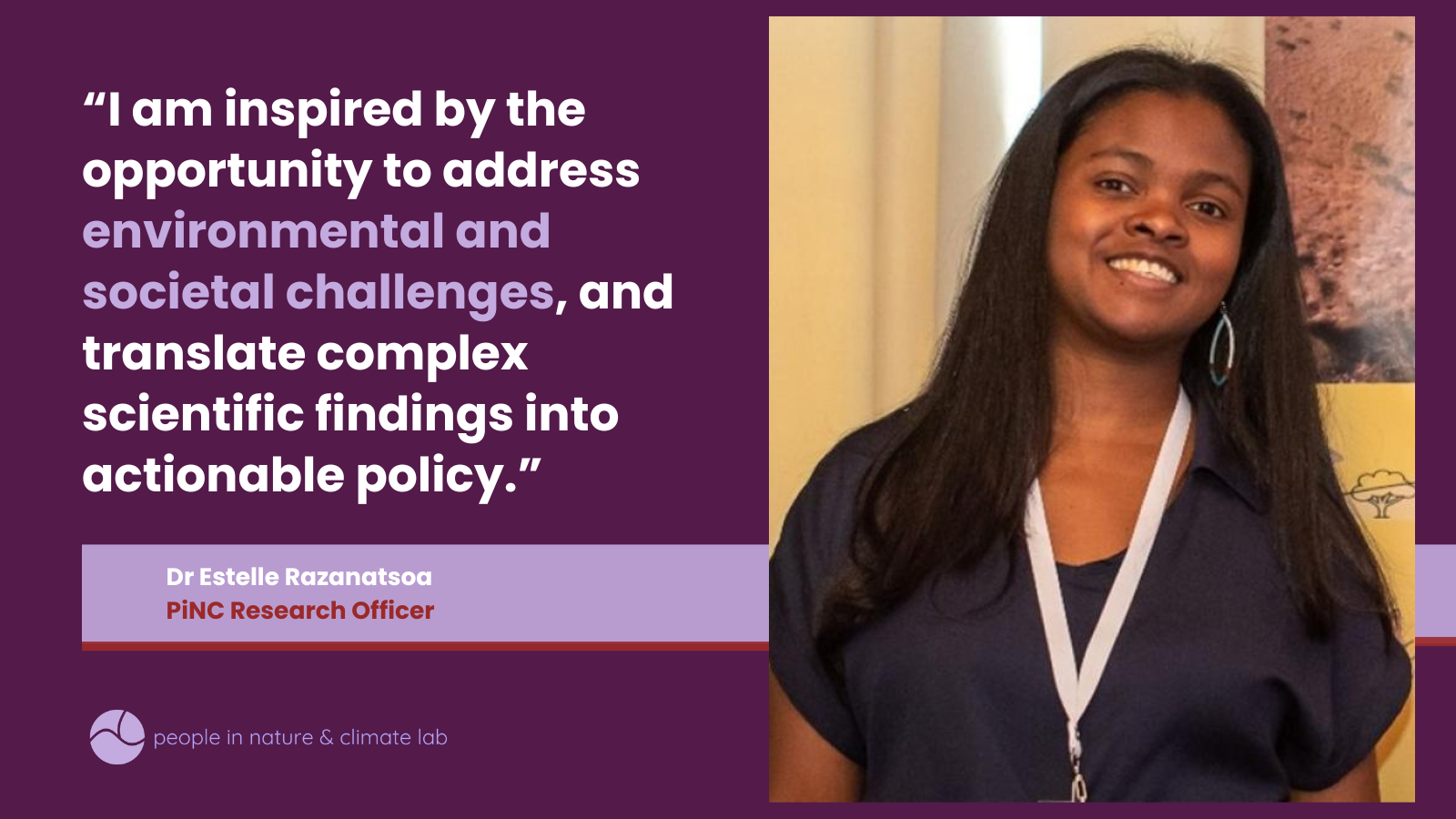
Dr Estelle Razanatsoa joins PiNC Lab
PiNC Lab welcomes Research Officer Dr Estelle Razanatsoa to its team. Her work contributes important insights into resilience, sustainability, and adaptation pathways that apply today and in the future.
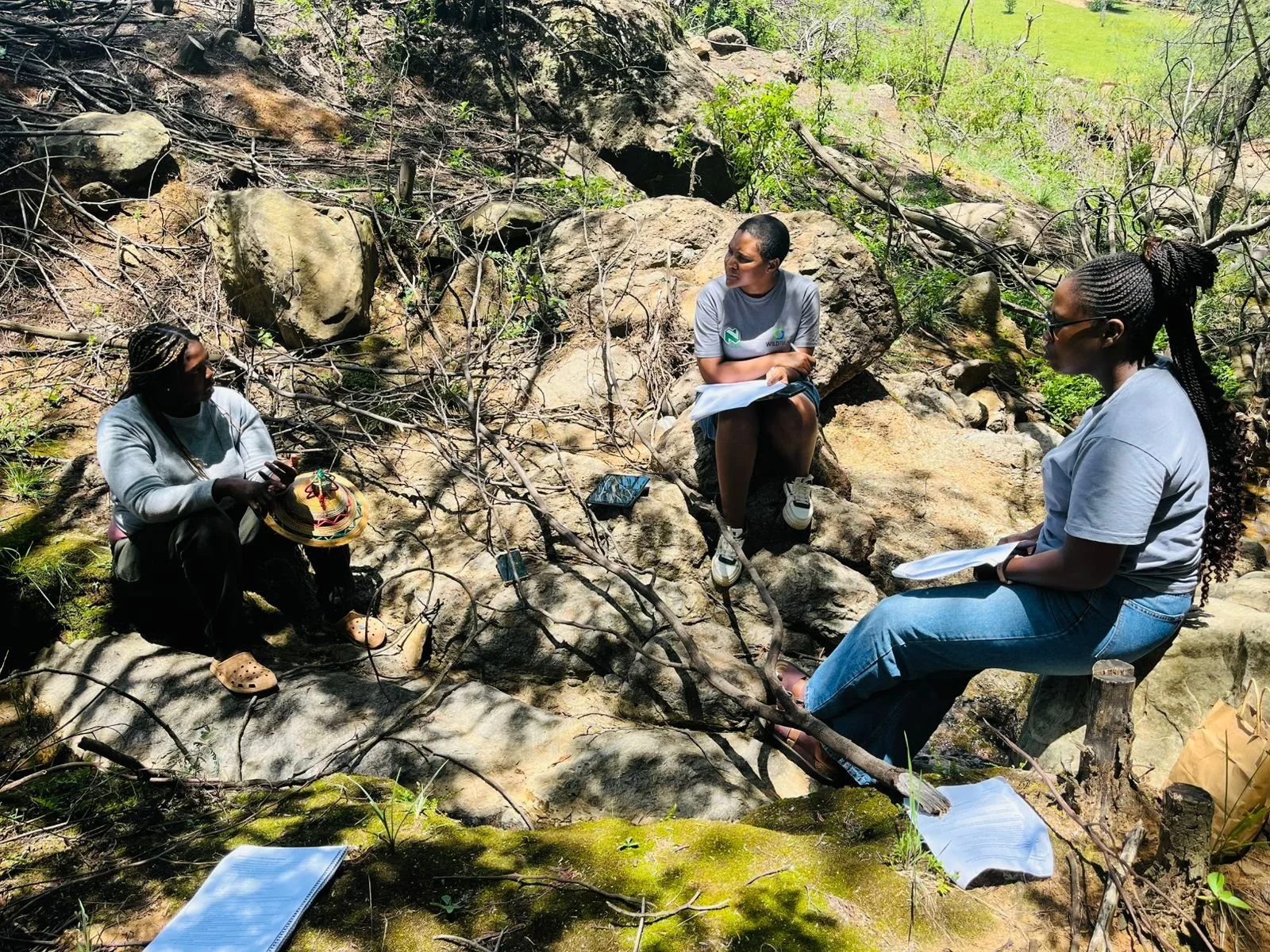
Recognising co-benefits of ethical community engagement in ALBATROSS
By providing qualitative data collection training to youth in the Umzimvubu Catchment area of South Africa, PiNC Lab researchers working on the ALBATROSS project demonstrate the potential of co-benefits and ethical engagement.

Exploring responsible uses of AI in environmental science
AI tools can help streamline repetitive processes, but Honours research from PiNC Lab’s Luyanda Mazibuko cautions that interpretation, context and critical judgment are better left in human hands.
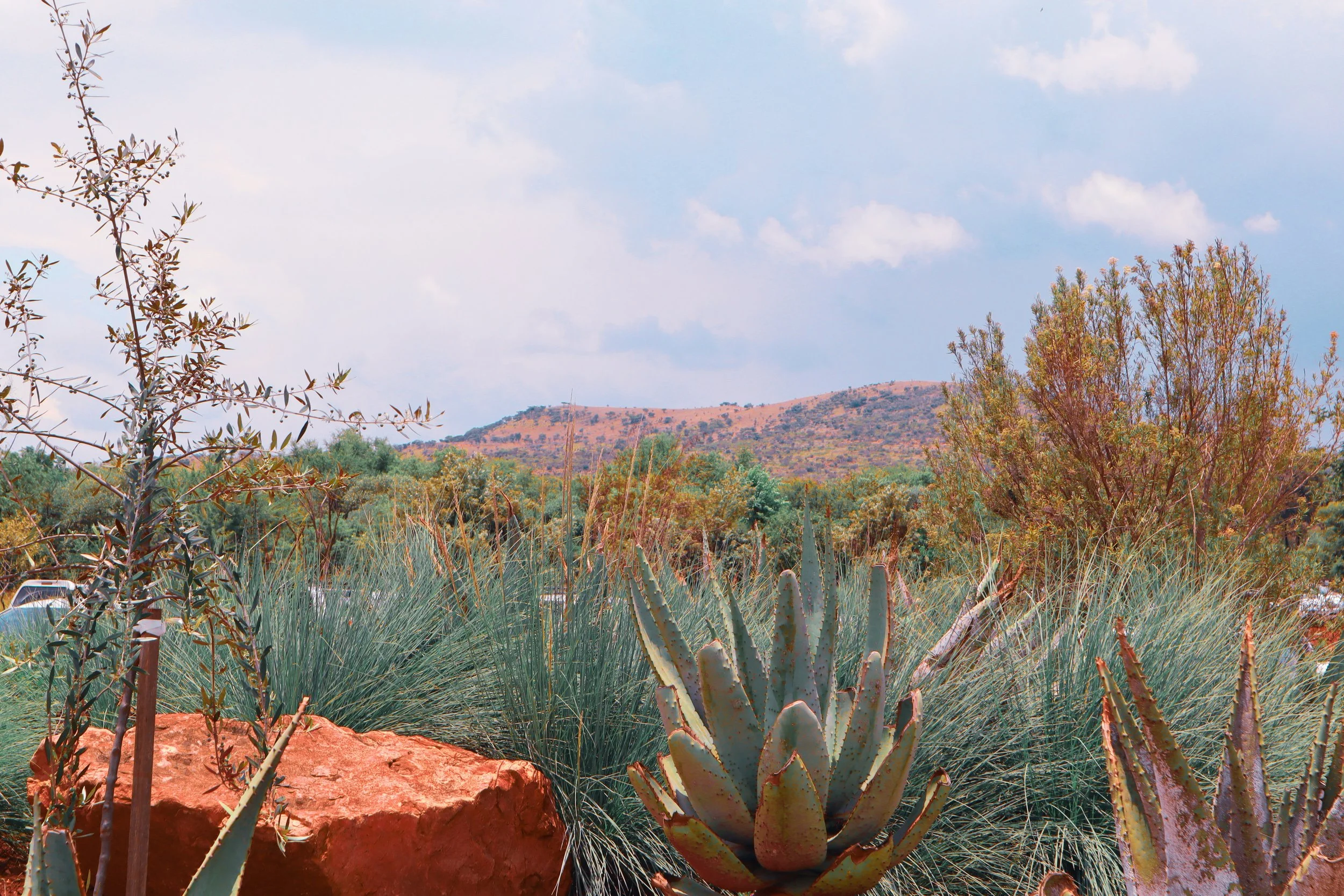
Improving representation of African ecosystems in land surface models
New research on the classification parameters of African plant species from PiNC Lab’s Enimhien Akhabue and Petra Holden has been published in Nature's Scientific Data journal.
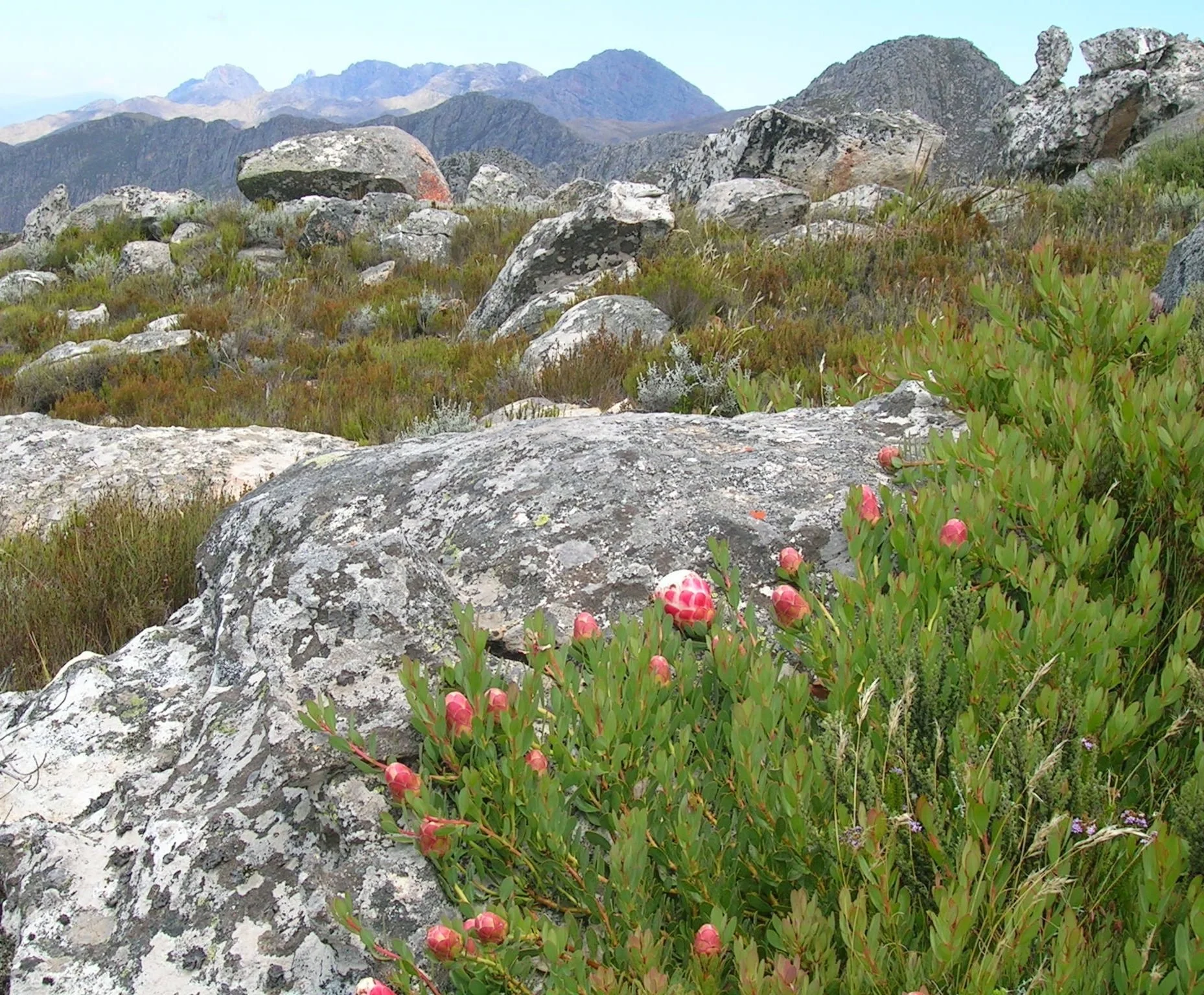
How resilient are nature-based solutions to climate change over the coming decades
PiNC researchers working with the ALBATROSS project have modelled how biodiversity linked to nature-based solutions could shift under future climate scenarios to identify priority ALBATROSS hubs where the solutions are likely to be most stable and effective in future.
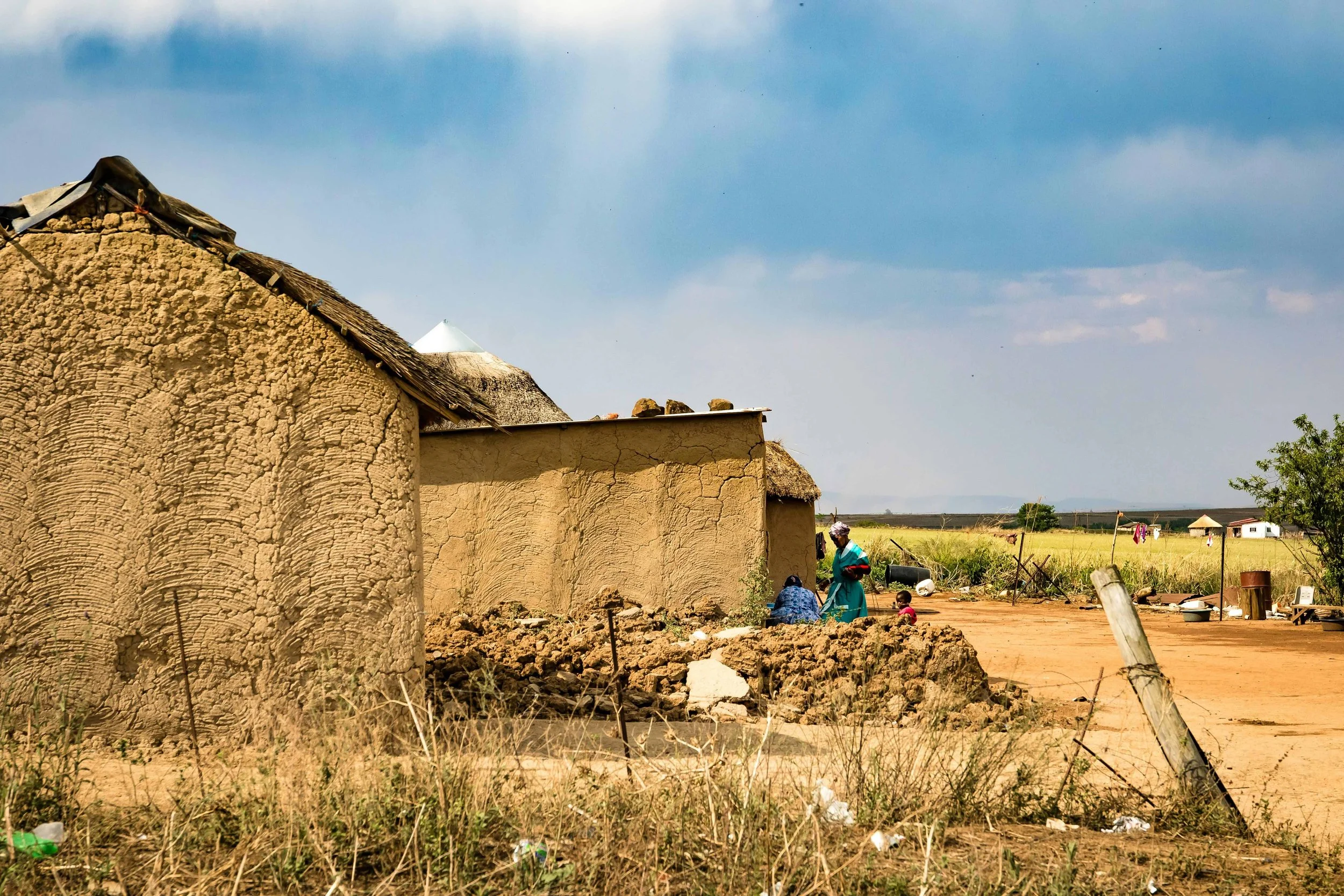
Understanding gendered climate vulnerability in South Africa
New research on gendered vulnerability to climate impacts has been published, with contributions from PiNC Lab’s Petra Holden.
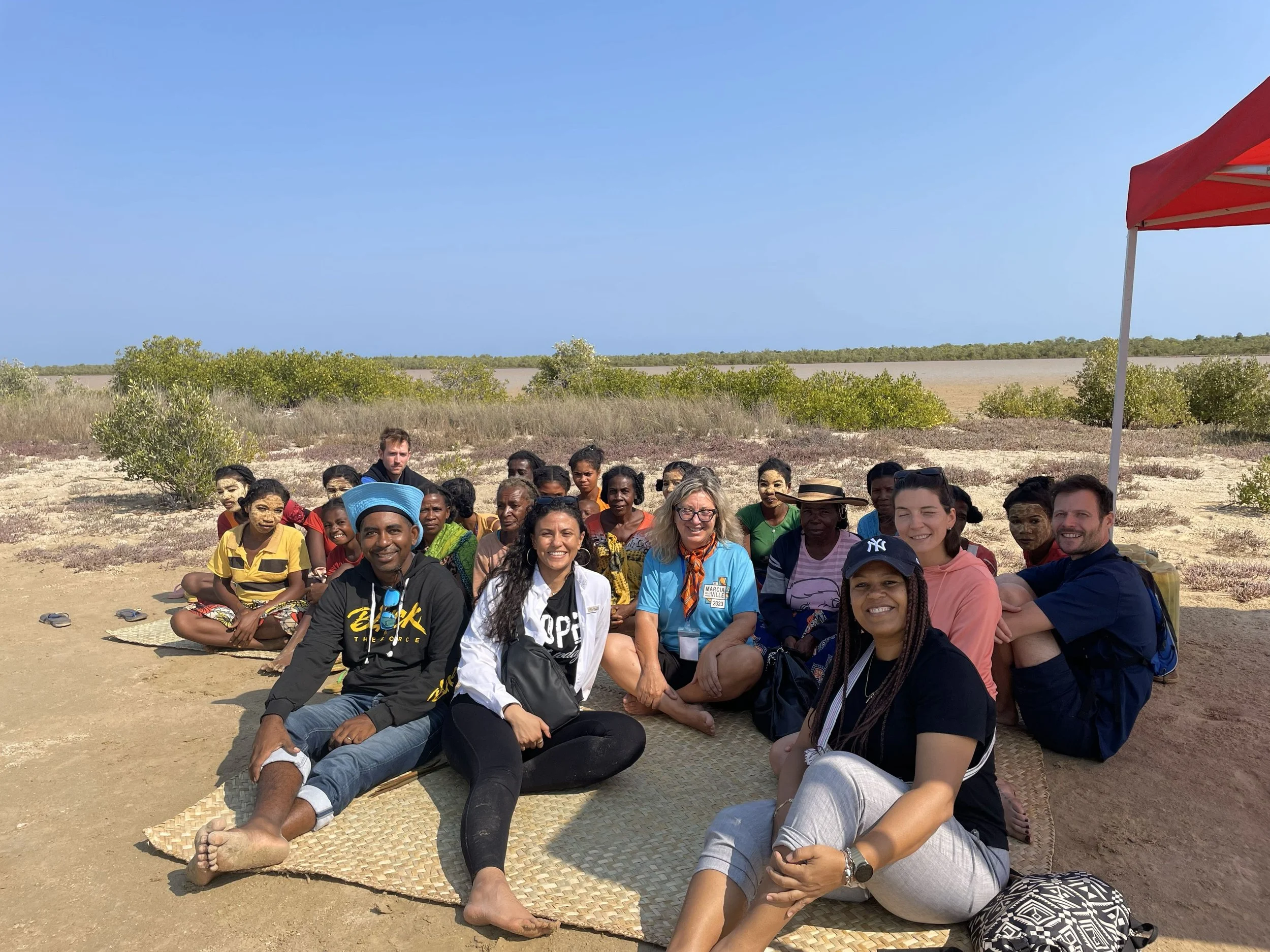
Bridging climate science, NbS research and local action with ALBATROSS
Findings on integrating nature-based solutions and climate services to improve climate resilience across Sub-Saharan Africa were presented by PiNC Research Officer Dr Cherié Forbes at the ALBATROSS project 2nd General Assembly in Madagascar.
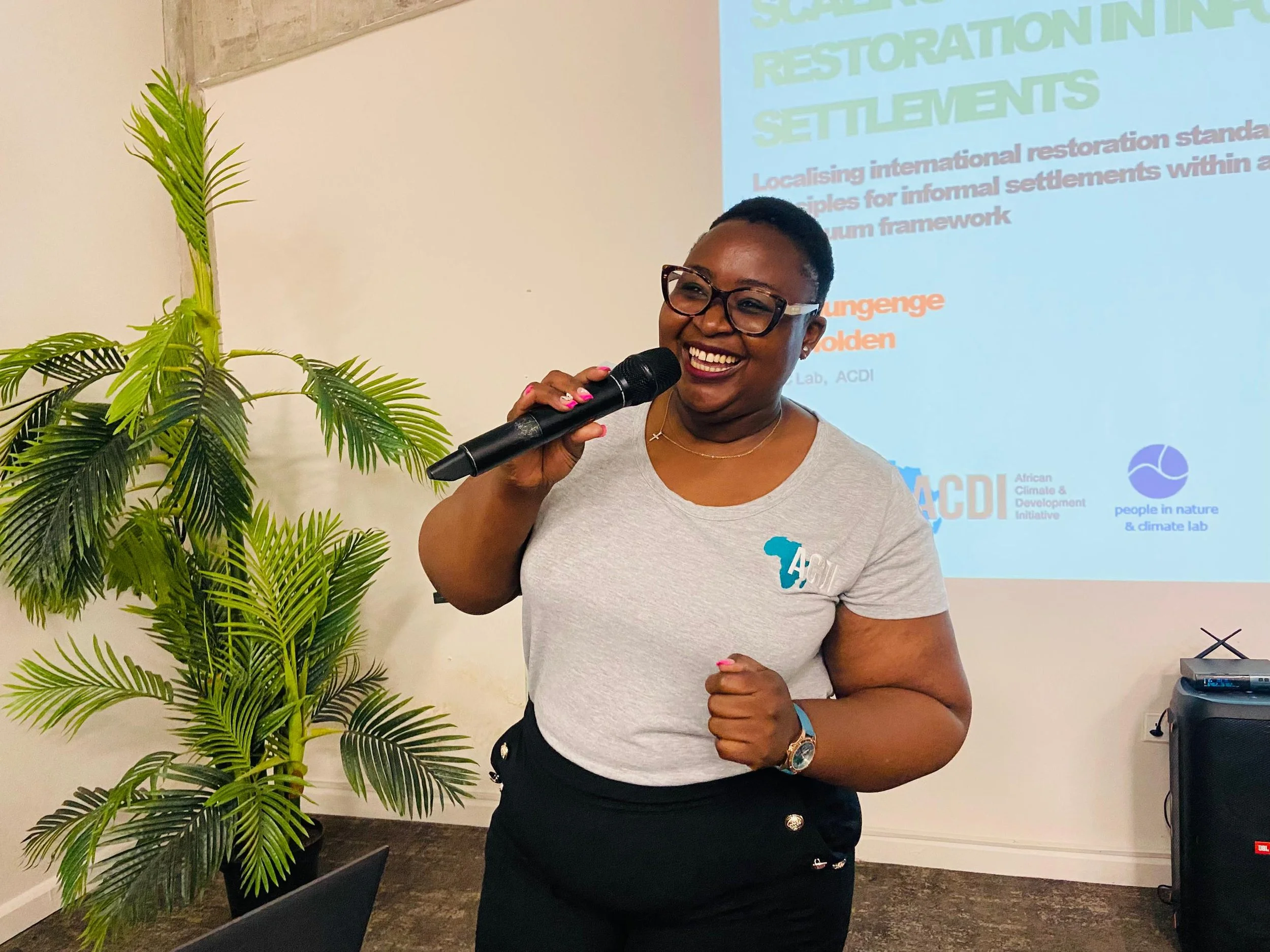
Community-led urban ecosystem restoration project kicks off in Lusaka
The meeting, marking the new project’s inception, aimed to deepen regional partnerships to ensure the ecosystem restoration interventions produced by the project are socially inclusive and ecologically sound.
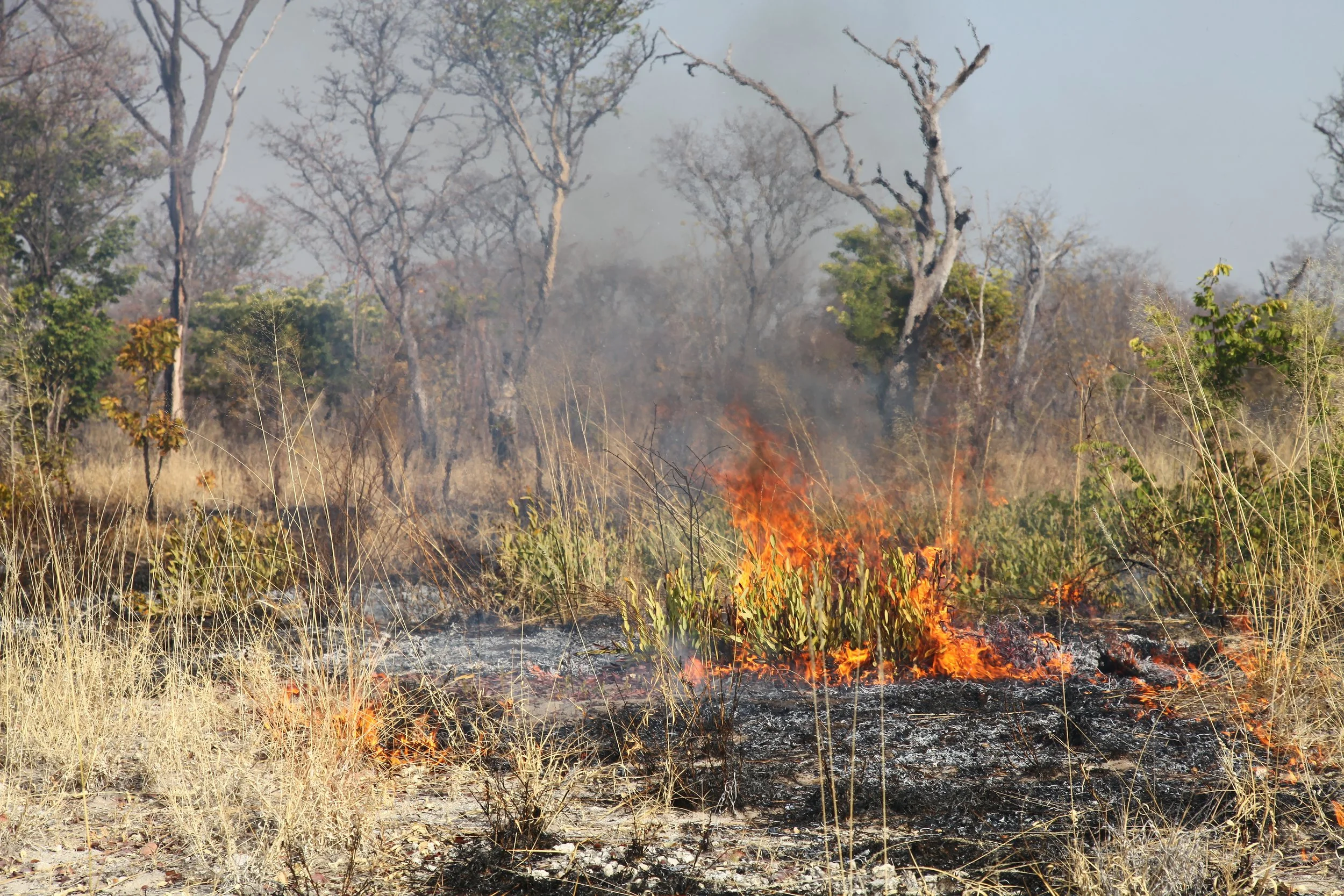
PiNC Lab’s Glynis Humphrey joins FIREPOL as a regional expert
The project examines the political and societal dimensions of wildfires, as well as the role of local knowledge, to foster inclusive, climate-resilient approaches in policy and practice.
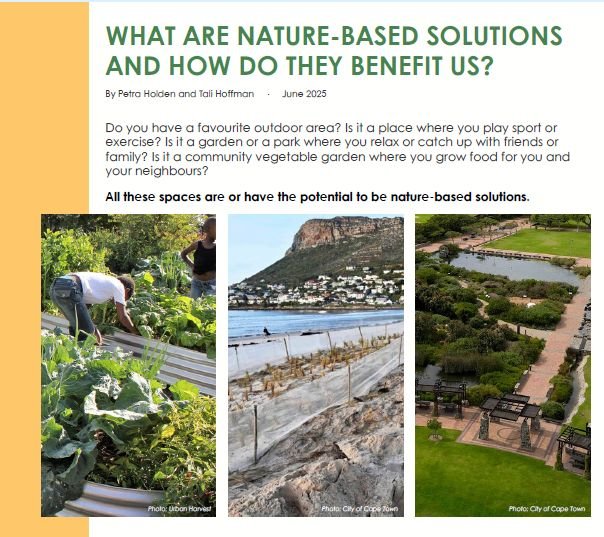
What are nature-based solutions and how do they benefit us?
This info brief, developed by the Tuwe Pamoja project, outlines four types of NbS to illustrate how they can support climate change adaptation by reducing people’s exposure, sensitivity and vulnerability to climate impacts, and by increasing their adaptive capacity.