
Bridging climate science, NbS research and local action with ALBATROSS

From 1-6 September 2025, I represented the University of Cape Town’s (UCT) People in Nature & Climate (PiNC) Lab at the ALBATROSS project’s 2nd General Assembly and associated field visits, held in Madagascar.
As a Research Officer interested in the role of nature-based solutions (NbS) and climate services to improve climate resilience, this annual gathering was both crucial and inspiring. Funded by the European Union, the assembly convened approximately 40 consortium members from partner institutions to review project progress and strategise future transdisciplinary research for climate change adaptation.
The event provided detailed updates from ALBATROSS’ seven local Climate Resilient Development (CRD) Hubs and included field visits to two of them: Tamatave and Morondava.
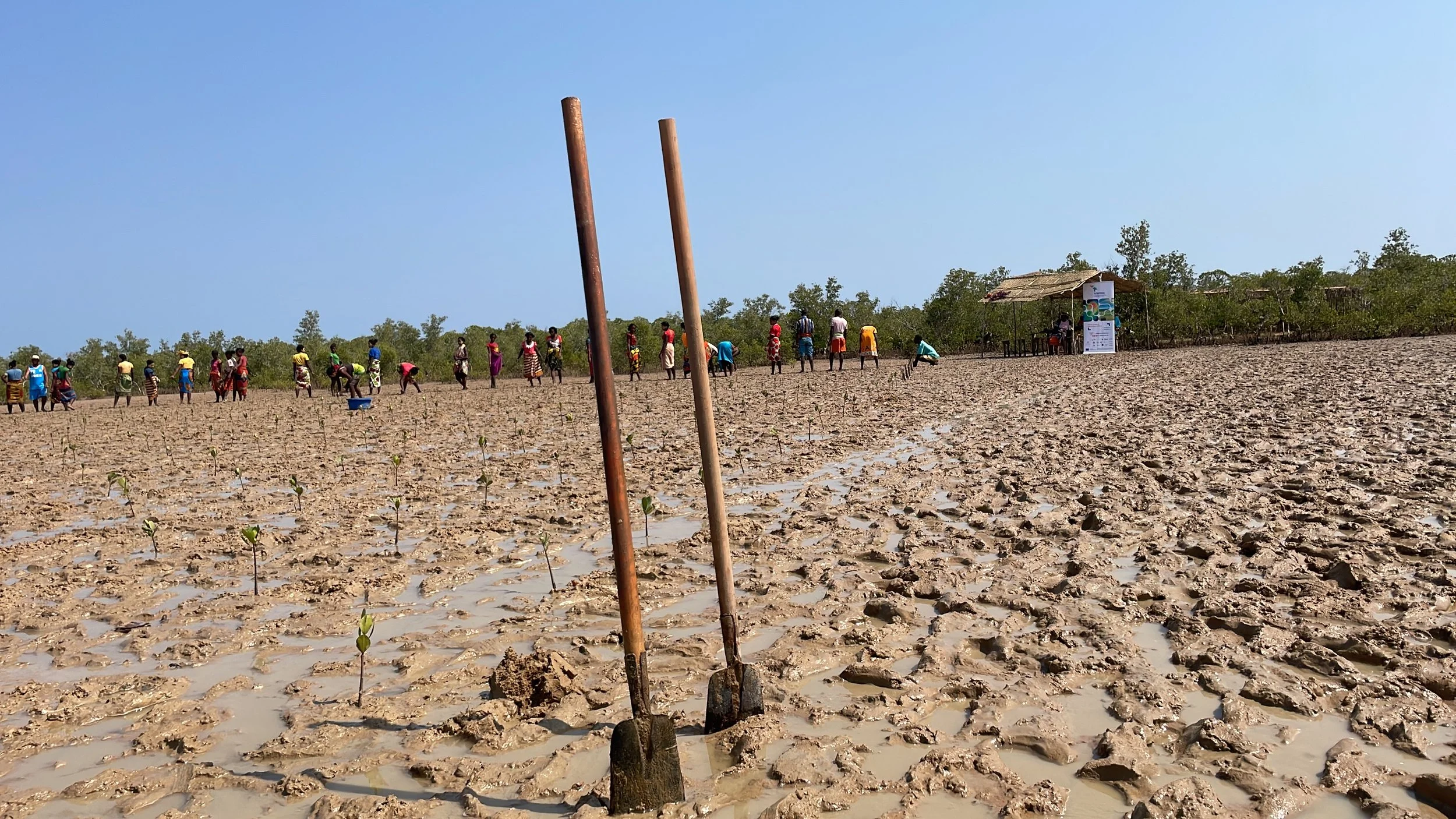
I was privileged to engage directly with local stakeholders and community members involved in co-designing multi-crop agroforestry systems in Tamatave, and implementing mangrove restoration activities in Morondava.
These on-the-ground visits reaffirmed the project's goal to move beyond merely identifying climate services gaps toward generating tangible, actionable solutions for decision-making that benefits communities.
Integrating climate information into NbS that supports adaptation
The 2nd General Assembly highlighted progress in understanding the complexities of climate resilience and NbS uptake across the seven CRD Hubs. Among these insights were updates from the UCT-led Work Package 4 (WP4), which confirmed several key findings from 530 multi-stakeholder interviews and mapping of 320 climate services across 48 sub-Saharan countries.
Notably, this work found that NbS strongly supports adaptation, particularly benefiting marginalised populations, with 85% of beneficiaries from papers reviewed identified as low-income. However, the WP4 work also showed uneven coverage and limited access to climate services, and a lack of impact-based forecasts across those services mapped in SSA.
The work also showed the importance of locally-led co-production processes to bridge critical gaps, such as the need for increased climate literacy among stakeholders and communities, and the lack of integrated scientific and local and indigenous knowledge.
WP4 also co-developed pathways for climate resilient NbS which serve to guide the ALBATROSS collaborative research going forward especially upcoming activities on co-creation and policy, developing and strengthening climate services for NbS, and co-producing technical and hands-on climate services for NbS guidelines.
Closing the usability gap and improving livelihoods
By ensuring local engagement and defining clear pathways to impact, ALBATROSS aims to promote outcomes for climate vulnerable communities. This includes a focus on making certain that vulnerable communities are positioned to benefit from climate literacy focused training activities and climate services developed.
At the Umzimvubu Hub in South Africa, where African Climate and Development Initiative (ACDI)’s PiNC Lab collaborates with local actors and communities, this is being achieved through the co-development of a climate risk system for sustainable rangeland management and using co-designed seasonal forecasts focused on fire and extreme rainfall.
Part of the work involves collaboration with the South African Weather Service (SAWS), and we are planning community workshops where seasonal forecasting and integrated climate risk tools will be introduced to ensure climate services and tools are useful for rural communities in the area.
Increasing adaptive capacity and raising awareness for early warning systems are also key for this work. Thus the transdisciplinary research roadmap being developed with ALBATROSS is centered on closing the pervasive "usability gap" for integrating climate services into NbS.
This feeds into the ultimate goal for ALBATROSS in 2026, which is to see progress in the co-production and implementation of tailored, actionable climate services that directly supports local communities in strengthening their NbS.
This article was written by Cherié Forbes