


Tuwe Pamoja in Nairobi focuses on the Mathare settlement. The aim is to strengthen settlement profiling and upgrading efforts by integrating a nature-based solutions (NbS) component into city and settlement-level planning activities.
The goal is to ensure activities reflect the lived experiences of climate risk, take advantage of existing community-led nature-based solutions practices,and prioritise opportunities for resilience-building along the Mathare and Gitathuru river ecosystem.
At the city level, this work contributes to Tuwe Pamoja’s broader goal of strengthening the capacity of diverse urban actors to co-design and implement equitable nature-based solutions for climate adaptation.
Nature-based solutions in Mathare informal settlement
Nature-based solutions can strengthen resilience in Mathare by addressing issues of risk, well-being and livelihoods in ways that complement settlement upgrading.
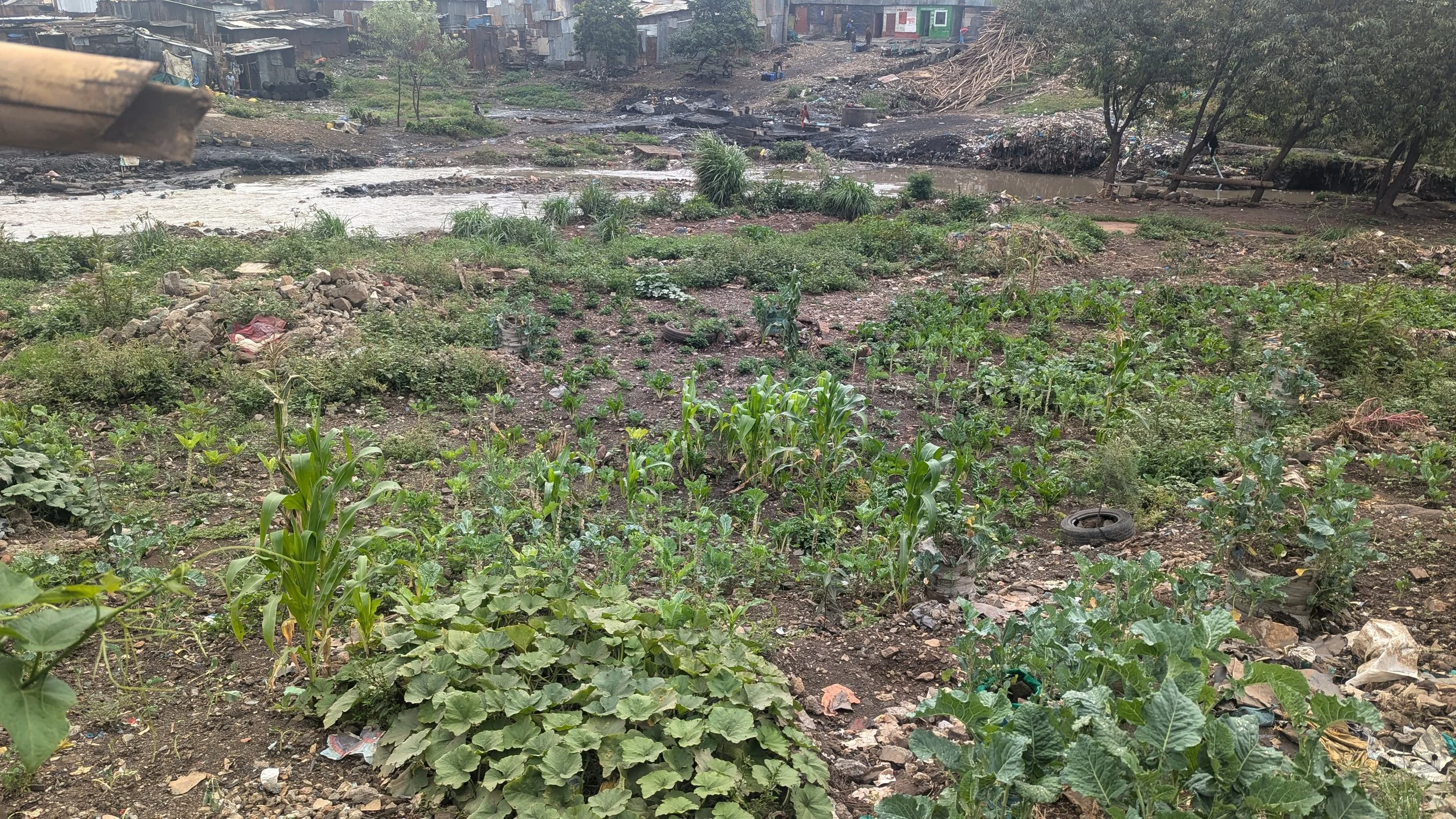
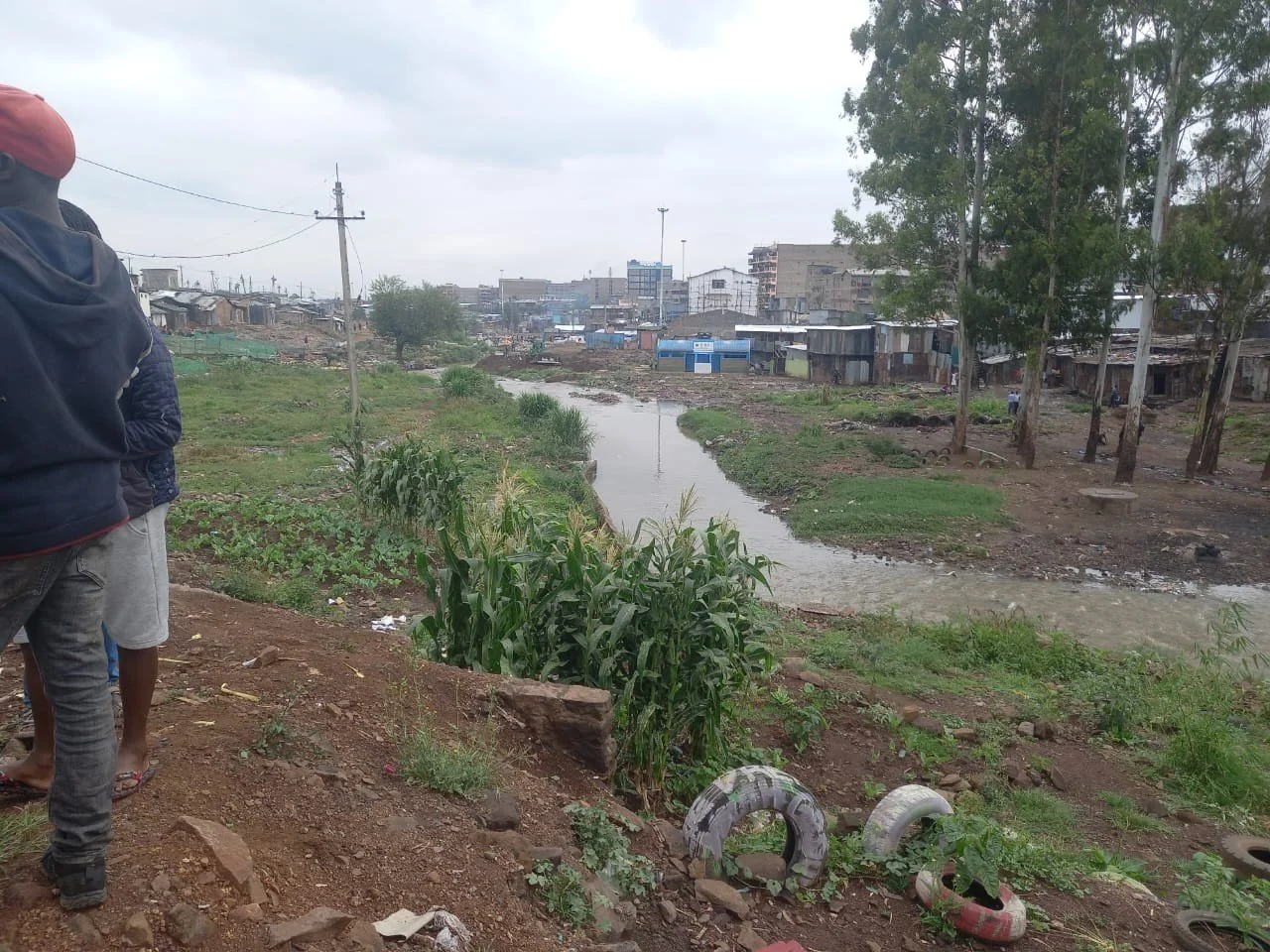
Specifically, they can reduce flood risk and river degradation through riparian restoration, tree planting, improved drainage along green corridors, and riverbank protection. This includes activities such as gabions identified by residents.
Improvements to health and liveability is also possible through nature-based solutions, by expanding green public spaces and urban greenery, helping reduce heat stress and enhancing environmental quality. Community gardens and urban farming, tree nurseries, and organised clean-ups and restoration activities all contribute to supporting livelihoods and community cohesion.
With design processes that address known barriers, including limited information access, representation gaps for marginalised groups, and implementation constraints such as lack of funding and insufficient government support, nature-based solutions and activities strengthen inclusion.
Climate challenges in Mathare
Mathare faces multiple climate-related and environmental challenges.
Surveys done by Tuwe Pamoja reveal that residents find flooding to be a major environmental challenge (29.7%), followed closely by air pollution (27.2%), water scarcity (19.7%), lack of green spaces (16.7%), and heat island effects (5.4%).
In terms of climate hazards experienced, flooding was reported by residents to be the most common (59.8%), followed by fires (21.5%), and drought (5.9%).
These hazards affect safety, health, livelihoods and infrastructure, especially for residents living near the river corridor.
Supporting local actors
The evidence and tools generated in Mathare are intended to inform and support the following stakeholders local-level and national-level stakeholders.
This includes Nairobi City County Government departments responsible for strengthening settlement upgrading and local climate action. Also, Nairobi Rivers Commission and actors working on river corridor management and riparian restoration.
National government actors responsible for environment and climate action are also a key focus group, as well as community-based groups in Mathare including Muungano groups, youth and women-led groups, and local initiatives already implementing NbS such as clean-ups, tree planting, urban farming and public space improvement.
About Mathare informal settlement
Our focus area is Mathare Settlement in Nairobi, with attention to the Mathare and Gitathuru river ecosystem. Mathare was selected because it faces significant climate-related risks and impacts, and it has existing community-led NbS practices along the river that provide a strong foundation to strengthen and scale through profiling, planning and partnership support.
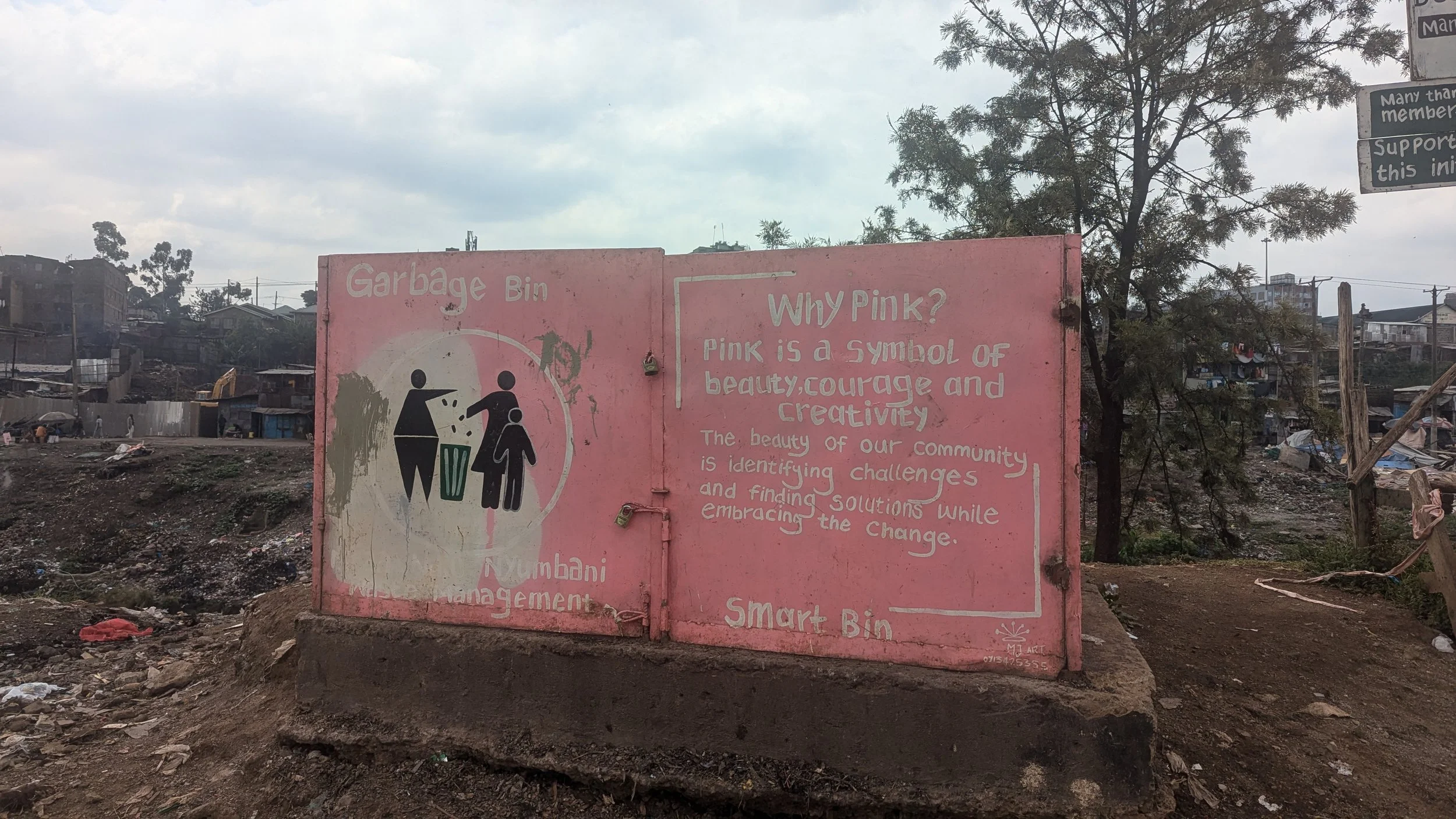
Mathare has faced climate-related issues, notably flooding. The community is engaged in ecosystem restoration through various initiatives, including waste collection, segregation, recycling, urban agriculture, and the transformation of underutilised spaces into productive public areas such as green parks. These activities support the profiling tool, which incorporates nature-based solutions, and aims to enhance resilience through focused capacity building. Additionally, the government's directive requires the removal of individuals residing within the 30-meter Riparian Reserve, which has significant implications for the local population.
Impacts Tuwe Pamoja aims to support are:
Settlement Profiling Tool: revisions to the tool that includes practical NbS questions and indicators relevant to informal settlements.
Settlement-level baseline: A baseline on climate hazards and impacts (with flooding the most reported hazard (59.8%) followed by fires (21.5%)).
Evidence-based prioritisation: of NbS options that residents want expanded (e.g., tree planting programmes at 29.0% and more green public spaces at 23.2%, among other options).
Improved inclusion: in NbS planning and implementation, with attention to barriers faced by women and marginalized groups (e.g., limited access to information and low representation in decision-making).
Learning tools: A packaged set of tools, methods, and practices that can be shared and used across all Tuwe Pamoja cities to support equitable NbS design and implementation.
Nairobi team


Nairobi’s Tuwe activities are headed by a team of locally rooted leads who provide academic and community-linked perspectives.
City Academic Lead is Dr Bessy Kathambi, from the University of Nairobi, the Institute for Climate Change and Adaptation (ICCA), and the ARUA Centre of Excellence in Climate & Development (ARUA-CD) at the University of Cape Town (UCT). Her expertise is in environmental sociology, multi-stakeholder engagement with NbS, and MEL.
The Academic Team includes Lewnorah Ayietta and Professor Daniel Ochieng Olago, both from the University of Nairobi, ARUA-CD, and the ICCA.
Slum Dwellers International affiliates support includes Affiliate Lead Joseph Kimani, Executive Director at Slum Dwellers International Kenya, with support from Michelle Koyaro.
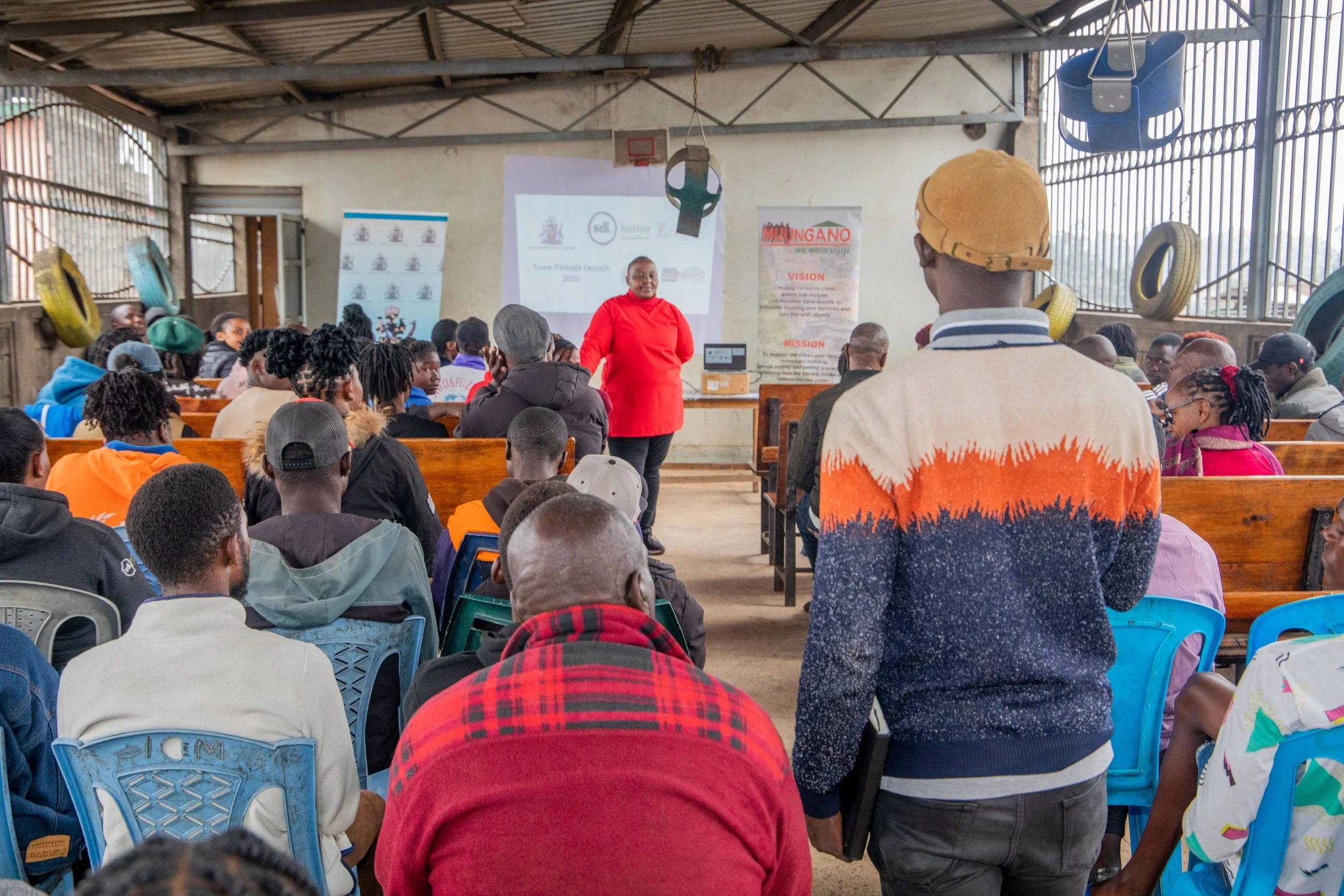
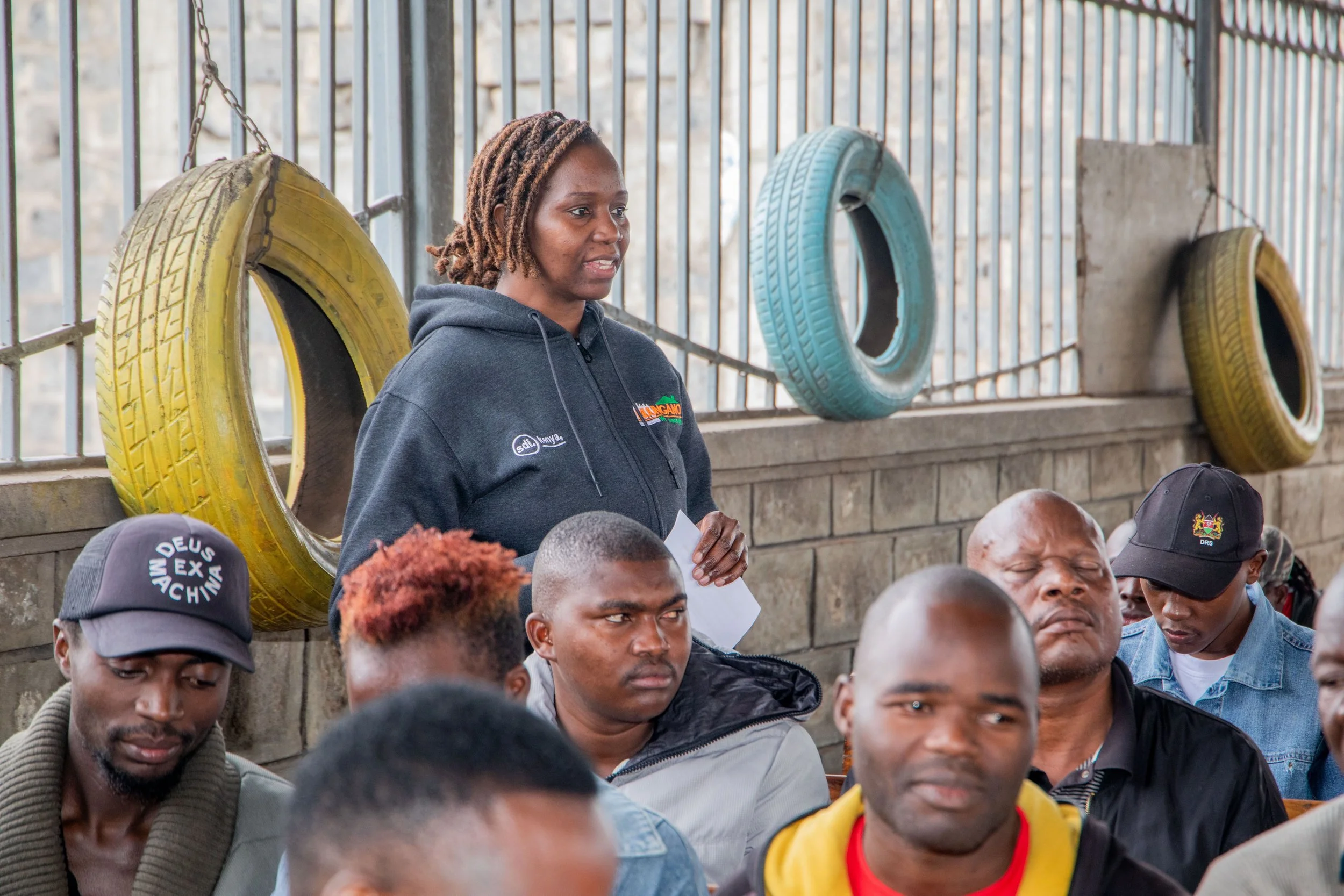
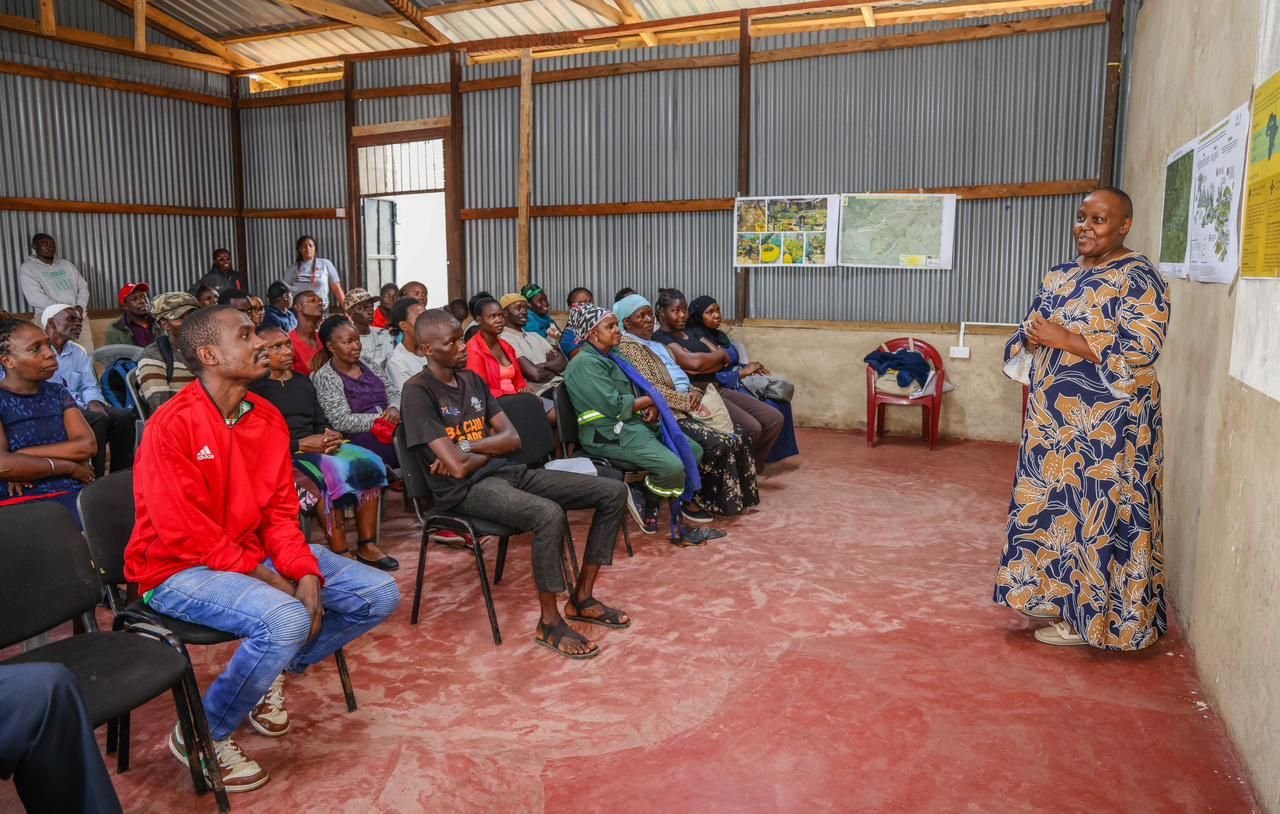
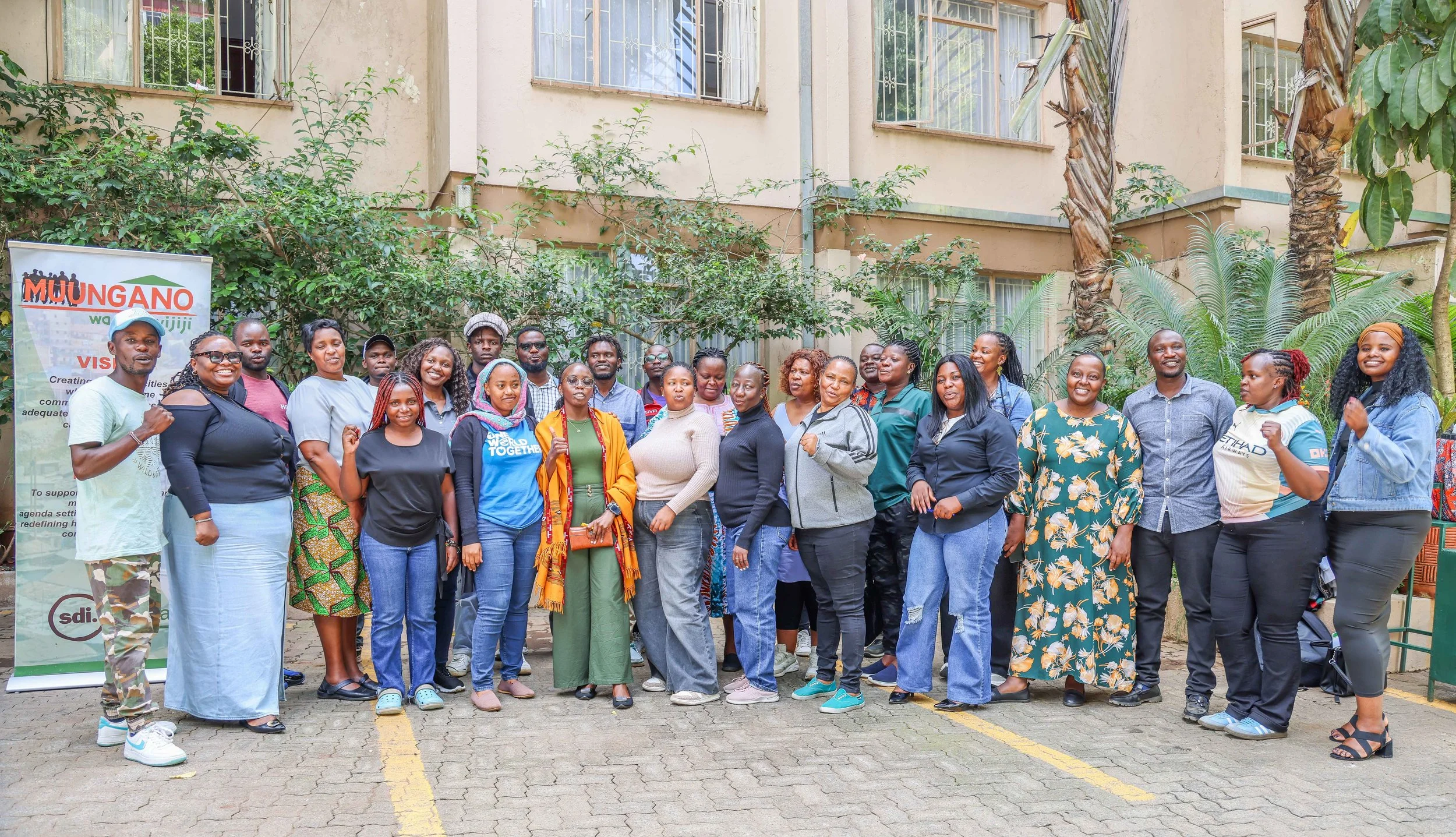
Community co-researchers from the Muungano Alliance, and other local groups contribute local knowledge and on-the-ground data collection capacity. This includes digital tools for survey collection, which contribute to improving the accuracy and relevance of findings.

CLARE is a flagship research programme on climate adaptation and resilience, funded mostly (about 90%) by UK Aid through the Foreign Commonwealth and Development Office (FCDO) & co-funded by the International Development Research Centre (IDRC), Canada.


