


Tuwe Pamoja in Cape Town, South Africa aims to sensitise those living and working within the Khayelitsha informal settlement to climate change-related issues, with a particular focus on flooding and its associated impacts.
By raising awareness and building local knowledge, the project seeks to empower residents in this area to understand the drivers of climate change, recognise the risks posed by extreme weather events, and adopt nature-based solutions as practical strategies for adaptation.
Through community engagement and education, Tuwe Pamoja can foster resilience, encourage sustainable practices, and strengthen the capacity of informal settlements to cope with climate-related challenges.
Nature-based solutions in Khayelitsha informal settlement
Nature-based solutions is a new concept in many parts of the Cape Town metropolitan region. This concept is focused on introducing practical initiatives and interventions such as planting vegetation in order to transform the vulnerable areas into more adaptable,livable environments.
These efforts will be accompanied by community training programs, enabling residents to implement nature-based solutions effectively, carry forward the knowledge gained, and ensure the long-term sustainability of green open spaces.
Possible interventions aligned to nature-based solutions are: restoration of natural vegetation along rivers and wetlands within settlements to strengthen local ecosystems, enhance biodiversity, and improve resilience against climate change impacts such as flooding and drought.
By integrating these approaches, communities can contribute to climate adaptation while fostering healthier, more sustainable living spaces.
Climate challenge in Cape Town
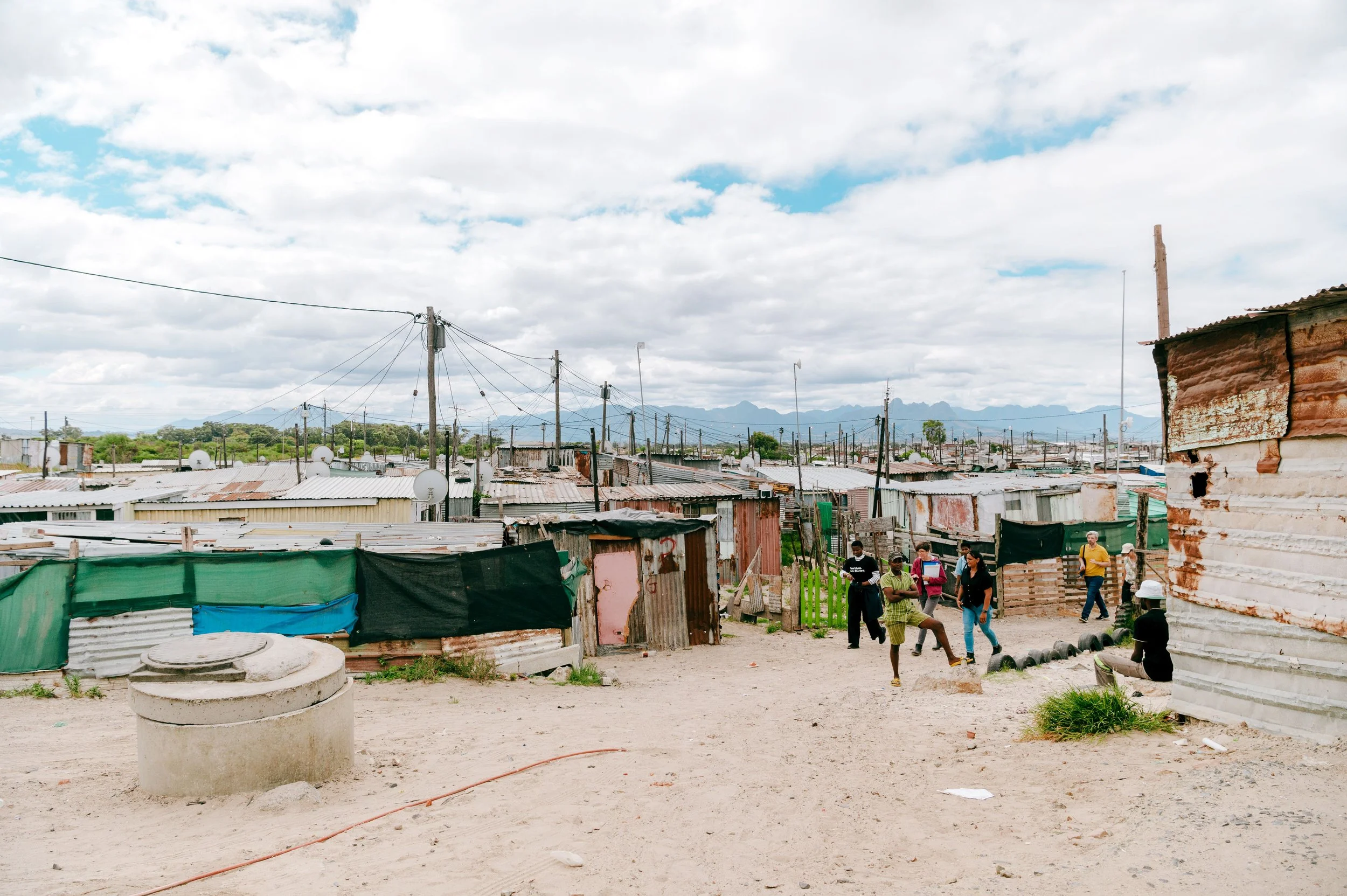
The primary climate-related challenges affecting the selected Khayelitsha informal settlement are recurrent flooding and stagnant water, which often remains on the surface for extended periods before infiltrating into the ground. This stagnant water can lead to environmental health concerns, including algal growth and poor underground water quality.
In addition to flooding, the settlements are exposed to strong winds and extreme heat, both of which exacerbate vulnerabilities and reduce the overall resilience of the community.
These combined challenges highlight the urgent need for integrated climate adaptation strategies, particularly nature-based solutions, to improve living conditions and strengthen the community’s capacity to cope with climate change impacts.
Ensuring long-term resilience
The primary outcome of Tuwe Pamoja in Khayelitsha is to raise community awareness of climate change–related challenges and to build understanding of the diverse types of nature-based solutions.
These include protection of existing ecosystems, restoration of degraded environments, sustainable management of natural resources, and design-based solutions that integrate green infrastructure into settlements.
By engaging the community in both learning and practice, residents will be empowered to adopt and maintain these community centred approaches, ensuring long-term resilience and the preservation of healthy, sustainable living spaces.
About Khayelitsha informal settlement
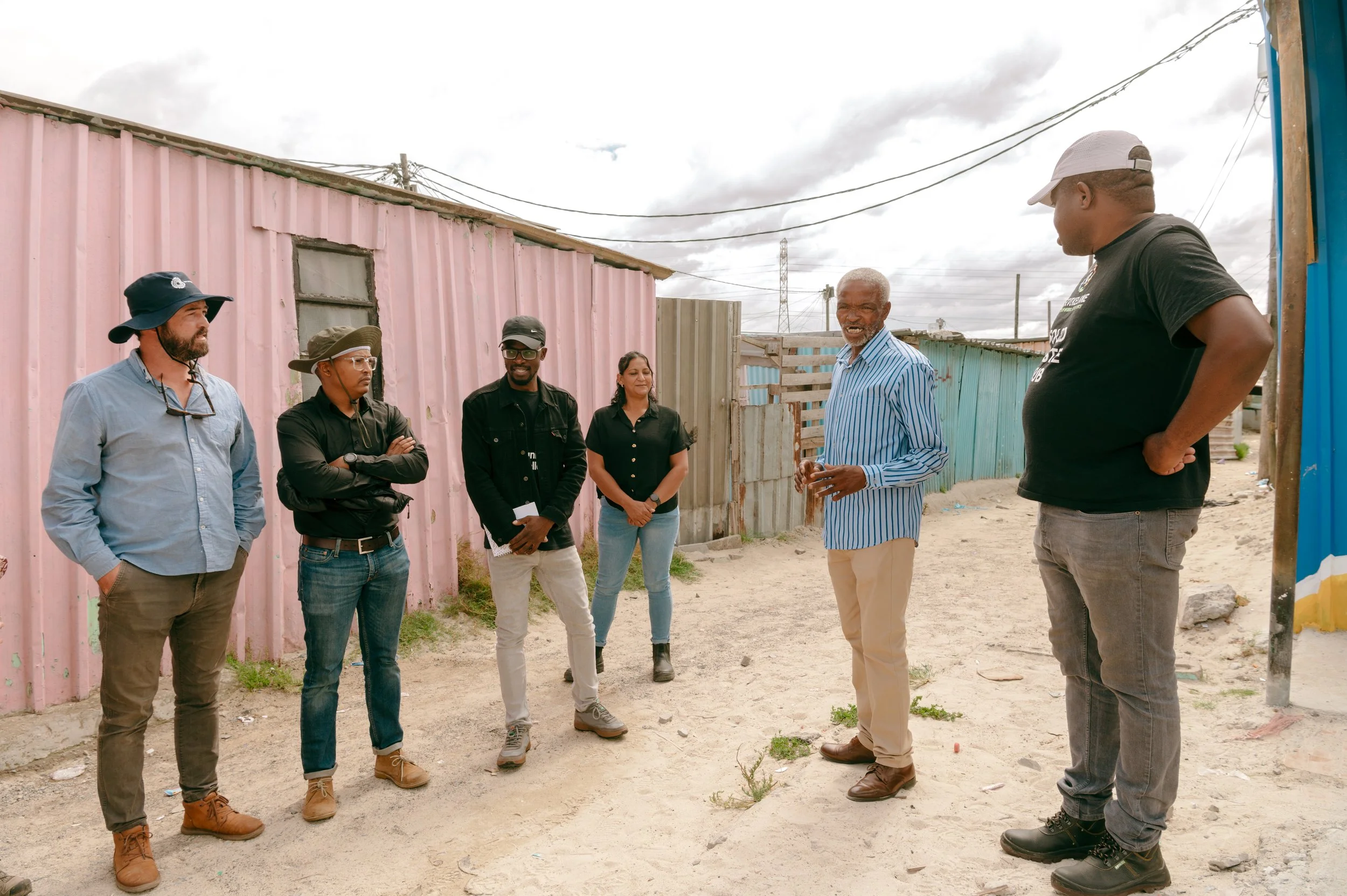
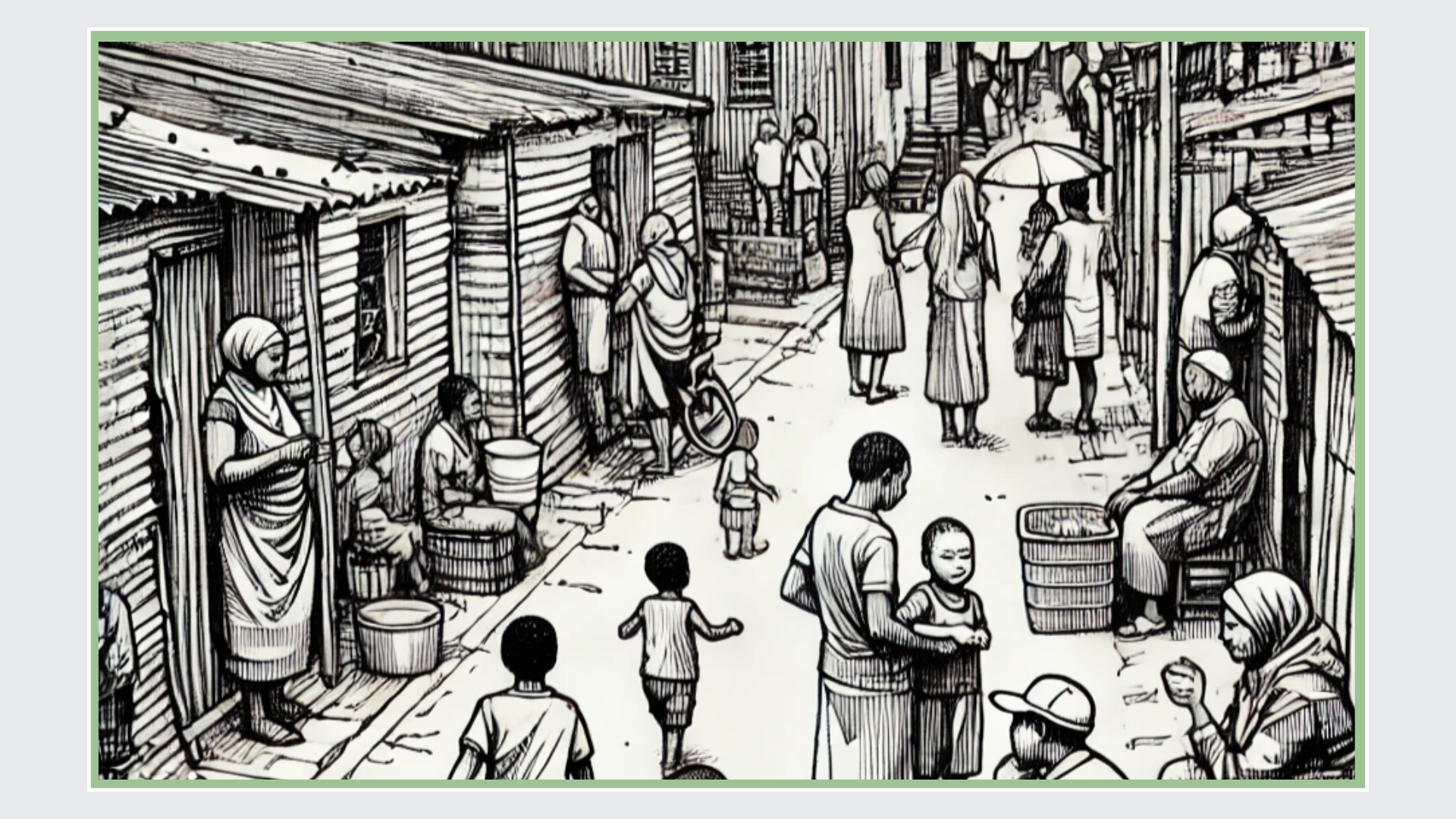
The Cape Town project sites focused on are within the Khayelitsha township of Cape Town. Specifically Bm Section and Msindweni informal Settlement.
These settlements were chosen due to their high vulnerability to climate change impacts, particularly severe flooding during the winter months. Flooding has been identified as a major concern in various community led data collection sessions conducted within BM and Msindweni.
Previous profiling exercises by residents of these settlements identified multiple location-specific challenges including recurrent flooding, extreme heat, the presence of wetlands, and canals running through the settlements.
These environmental pressures highlight the urgent need for nature-based solutions that can mitigate risks, enhance resilience, and improve the overall sustainability of the community.
Impacts Tuwe Pamoja aims to support are:
Urban Mobility: Roads and Stormwater: Improving road infrastructure and stormwater management systems to reduce flooding risks, enhance drainage, and ensure safer, more climate-resilient mobility within informal settlements.
Environmental Management: Promoting the protection, restoration, and sustainable management of ecosystems, including wetlands and green spaces, to strengthen biodiversity and provide natural buffers against climate impacts.
District Spatial Planning: Integrating climate adaptation into spatial planning processes to ensure that land use, settlement design, and infrastructure development are aligned with long-term sustainability and resilience goals.
Human Settlements: Informal Settlements: Addressing vulnerabilities in informal settlements by introducing nature-based solutions (NBS), improving housing conditions, and empowering communities to adopt practices that mitigate flooding, heat stress, and other climate-related challenges.
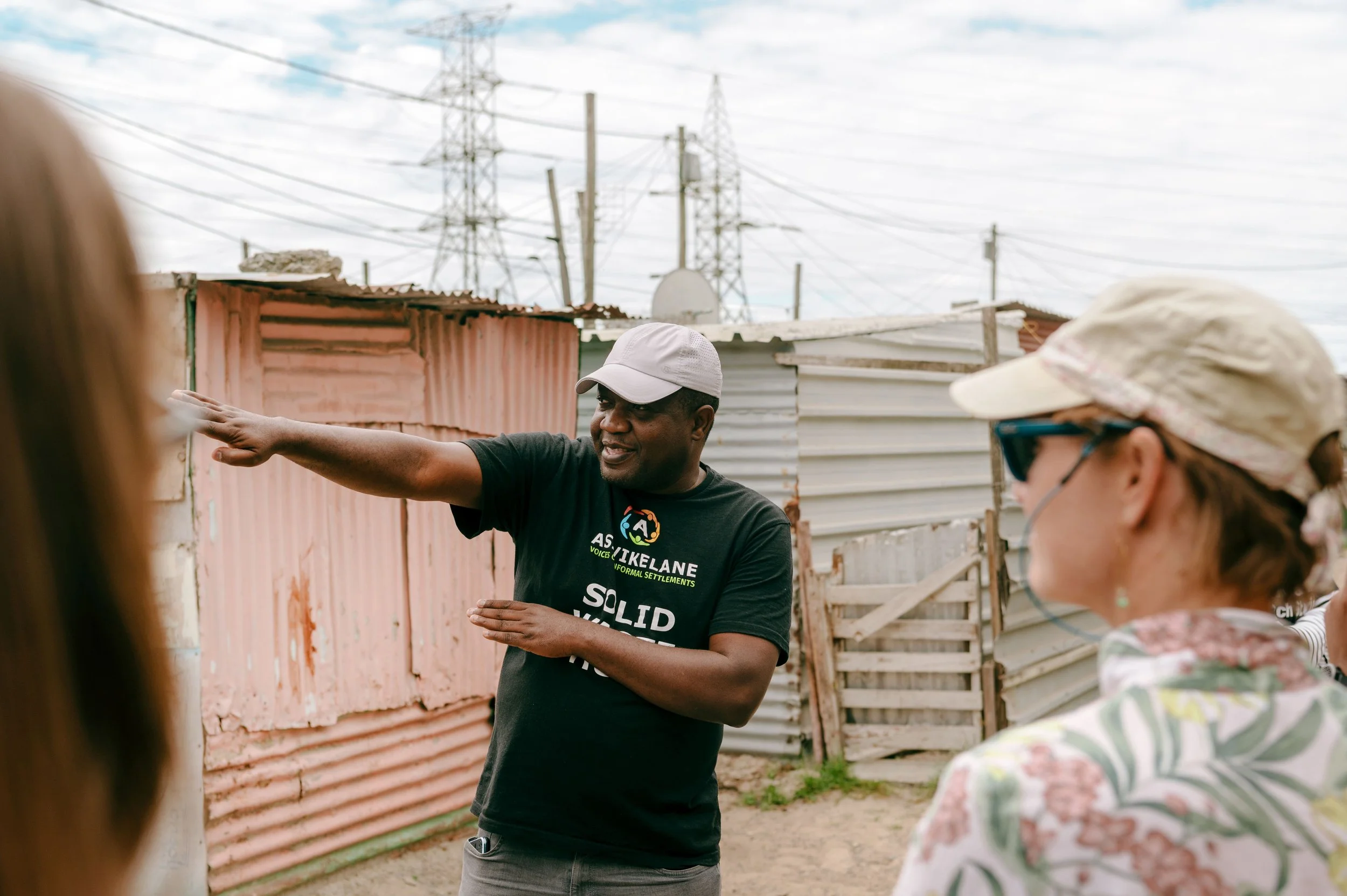
Informal Settlements Residents: The primary outcome is to empower residents of informal settlements to actively participate in stakeholder engagement, particularly in shaping climate-resilient development. Understanding the needs of their settlement was the first critical step. Community voices must remain at the center of all initiatives, ensuring that solutions are rooted in local realities.
Cape Town team

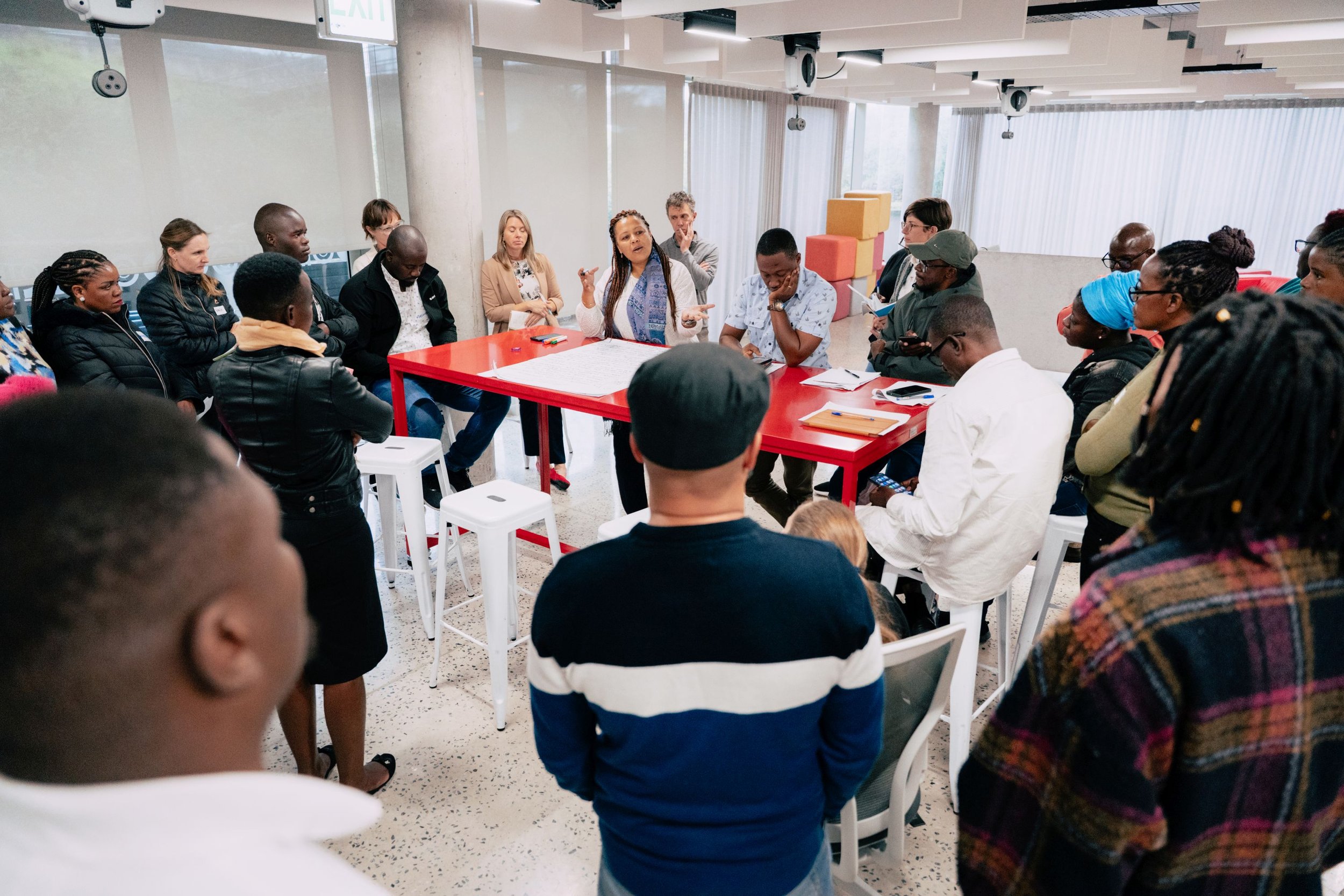
Tuwe project activities in Cape Town are led by locally rooted experts who provide acacemic and community knowledge and perspectives.
City Academic Lead is Dr Chris Jack, from the ARUA Centre of Excellence in Climate & Development (ARUA-CD) and the Climate System & Analysis Group (CSAG) at the University of Cape Town (UCT). His expertise lies in climate science, climate risk narratives for climate adaptation planning, including NbS.
The Academic Team includes Dr Amber Abrams (ARUA-CD, UCT, FutureWater), Associate Professor Kirsty Carden (ARUA-CD, UCT, FutureWater), Dr Petra Holden (ARUA-CD, UCT, ACDI, PiNC Lab), Alice McClure (ARUA-CD, UCT, CSAG), Dr Anna Taylor (ARUA-CD, UCT, ACDI), and Associate Professor Gina Ziervogel (ARUA-CD, UCT, ACDI, PiNC Lab).
Slum Dwellers International support includes Affiliate Lead Charlton Ziervogel from the Community Organisation Resource Centre (CORC), with a focus on community engagement and the fostering of a bottom up approach to urban development. He is supported by Blessing Mancitshana.
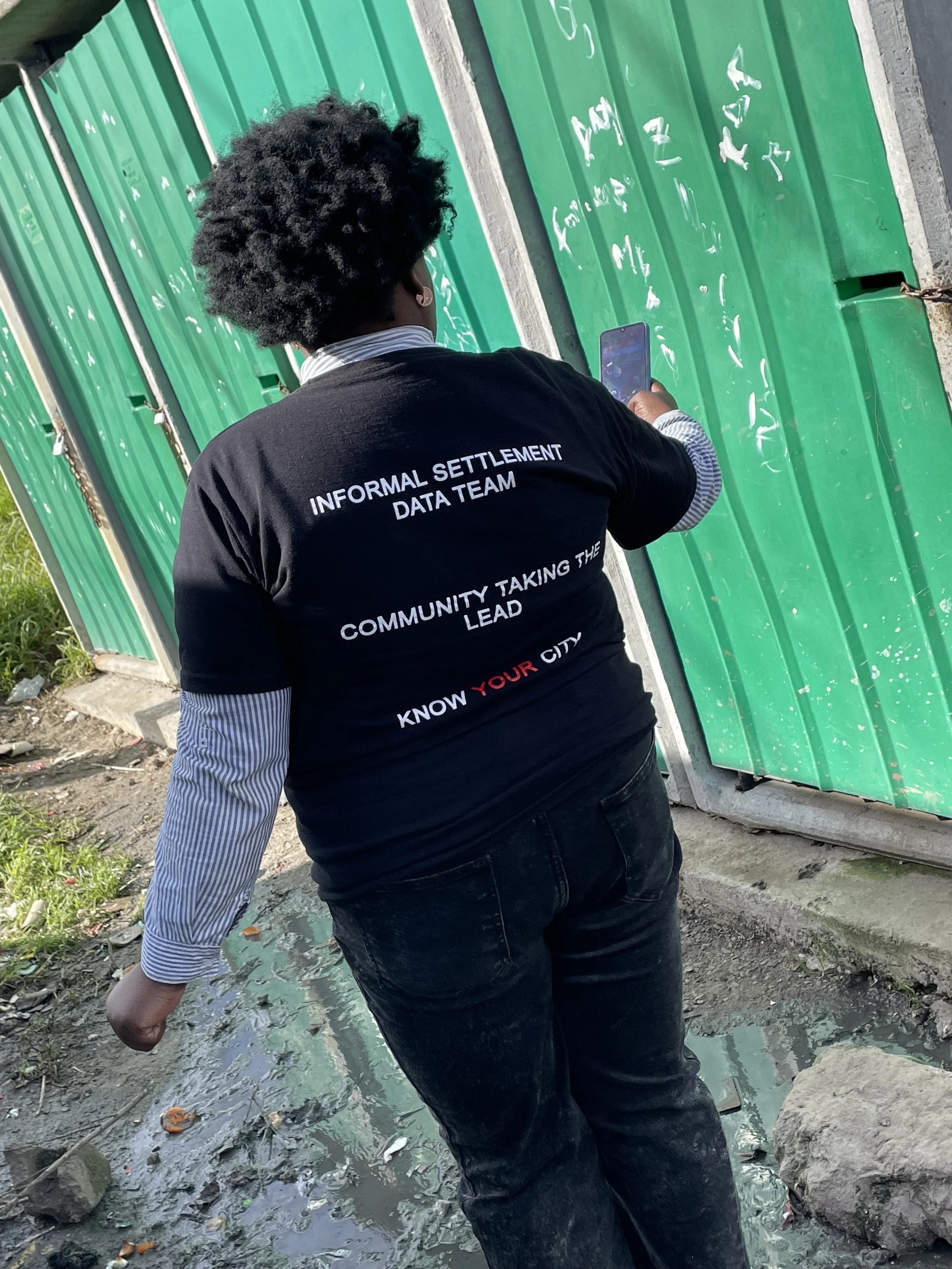
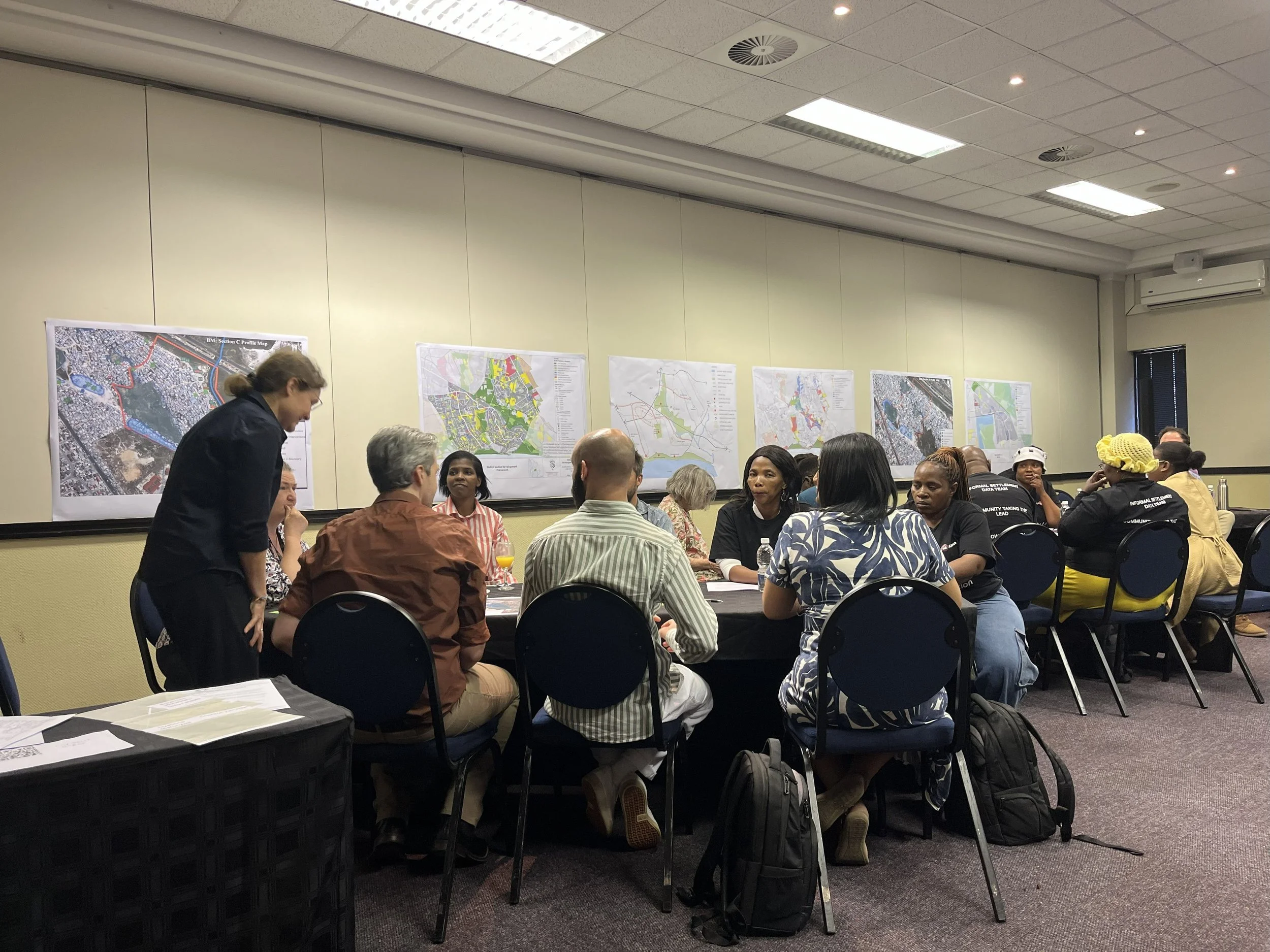
In addition, there is a professional data team, supported by CORC, with the main responsibility of facilitating community data collection and capacitation of communities around the concept of data collection and settlements engagements.They also play another role of settlement level map creation and also synchronizing the data and the created Maps.The team also plays a role in consolidating fieldwork and data analysis report.Also aligned to reporting is capturing the field work and other related settlement evidence such as NBs,physical improvements that are implemented within the project area.
The team also supports the data collection team on the ground with collecting of coordinates and geo referenced points.


CLARE is a flagship research programme on climate adaptation and resilience, funded mostly (about 90%) by UK Aid through the Foreign Commonwealth and Development Office (FCDO) & co-funded by the International Development Research Centre (IDRC), Canada.


