


Tuwe Pamoja in Accra aims to create awareness among residents and city officials of the use of existing and new nature-based solutions (NbS) for addressing climate change challenges in the settlement and the tradeoffs associated with the actions.
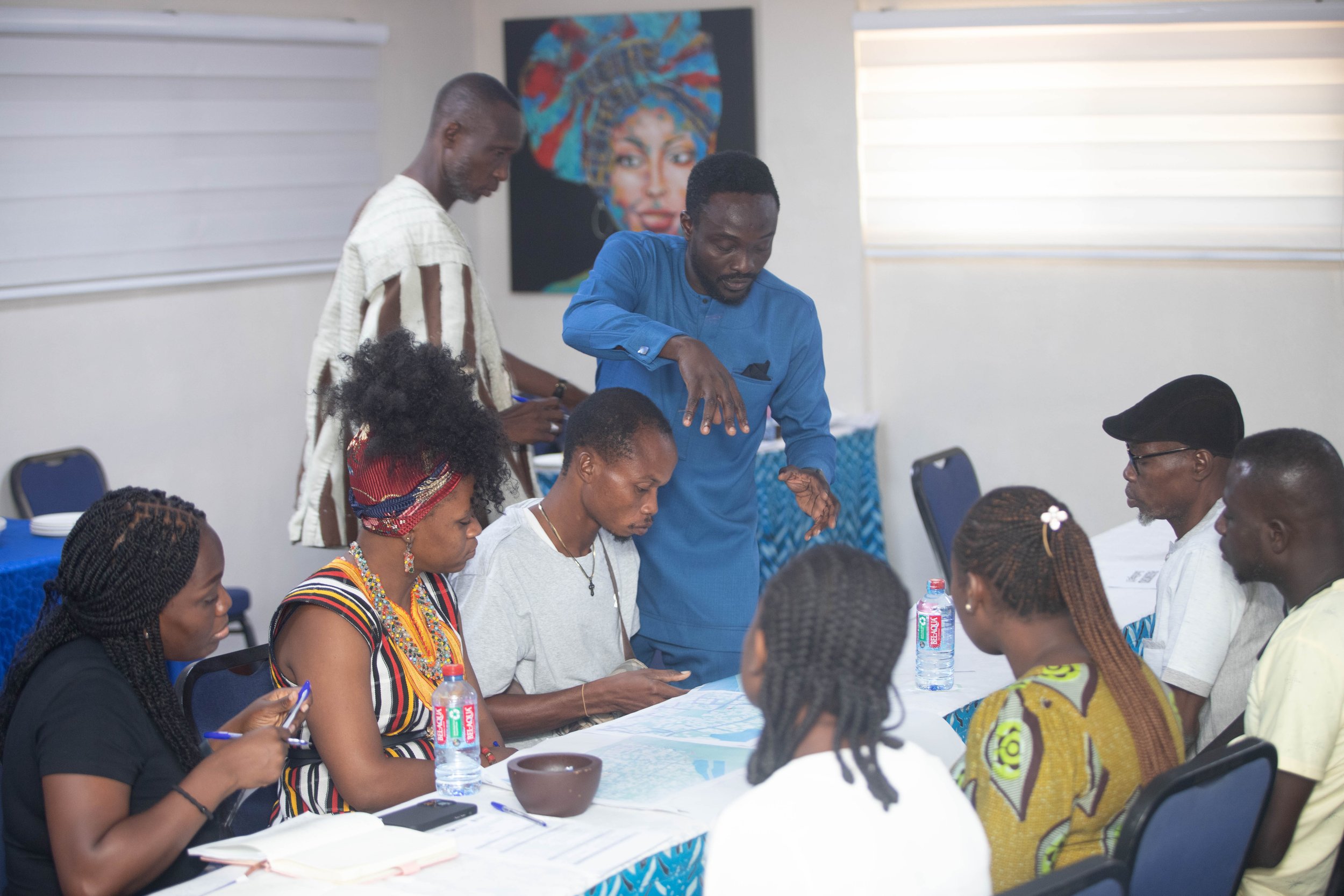
The work is is centred in the coastal settlement of Gelefe, and aims to strengthen capacity in climate change adaptation using nature-based solutions among key stakeholders including the residents, traditional leaders, local government and city officials.
This includes learning from new approaches and existing nature-based solutions enacted by local residents in response to climate impacts like flooding and rapid urbanisation that can support communities in becoming climate-resilient.
Nature-based solutions in Gelefe
Climate change impacts lagoon and coastal ecosystems in the Glefe settlement, where Tuwe Pamoja has its focus in Accra.
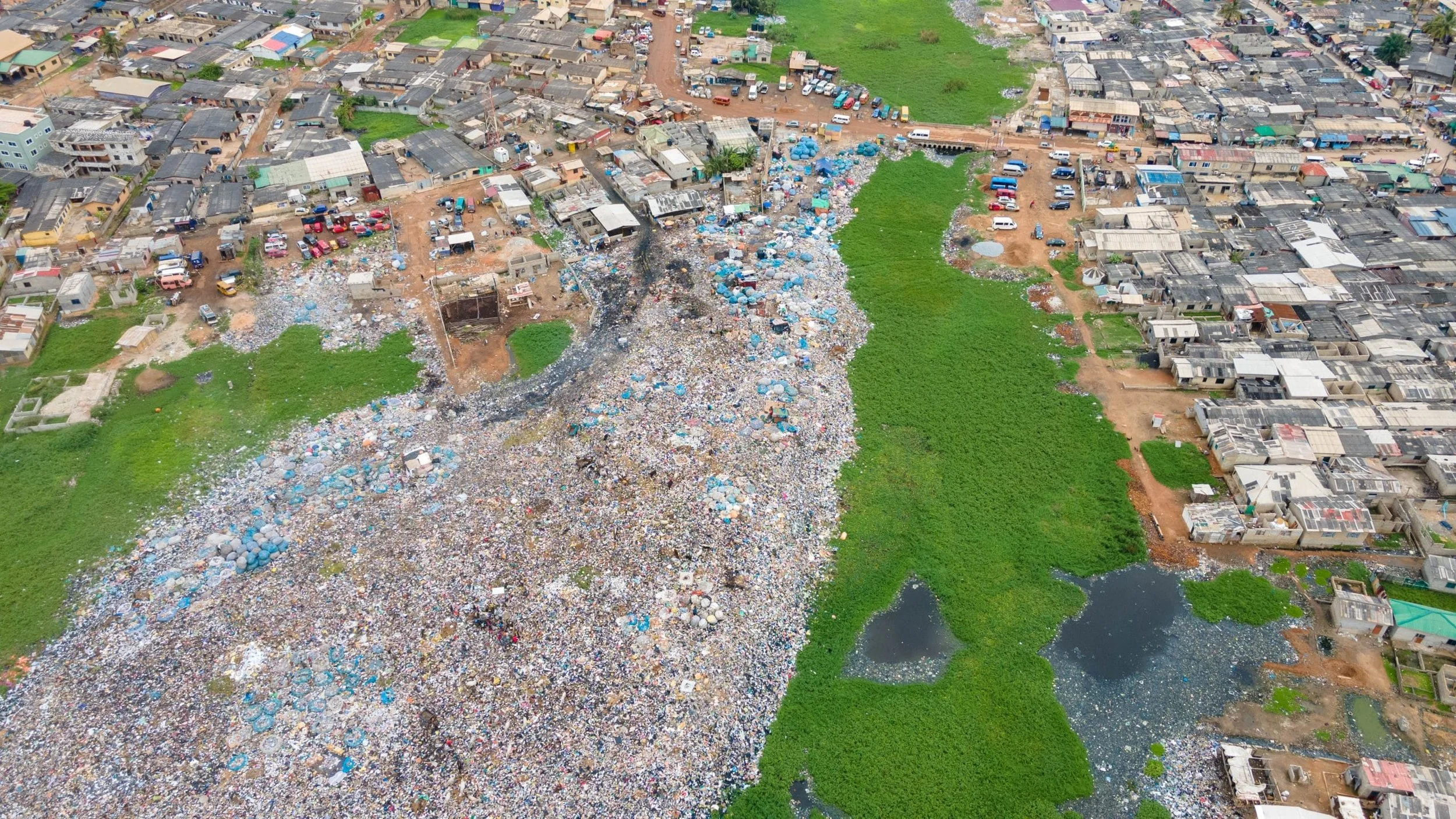
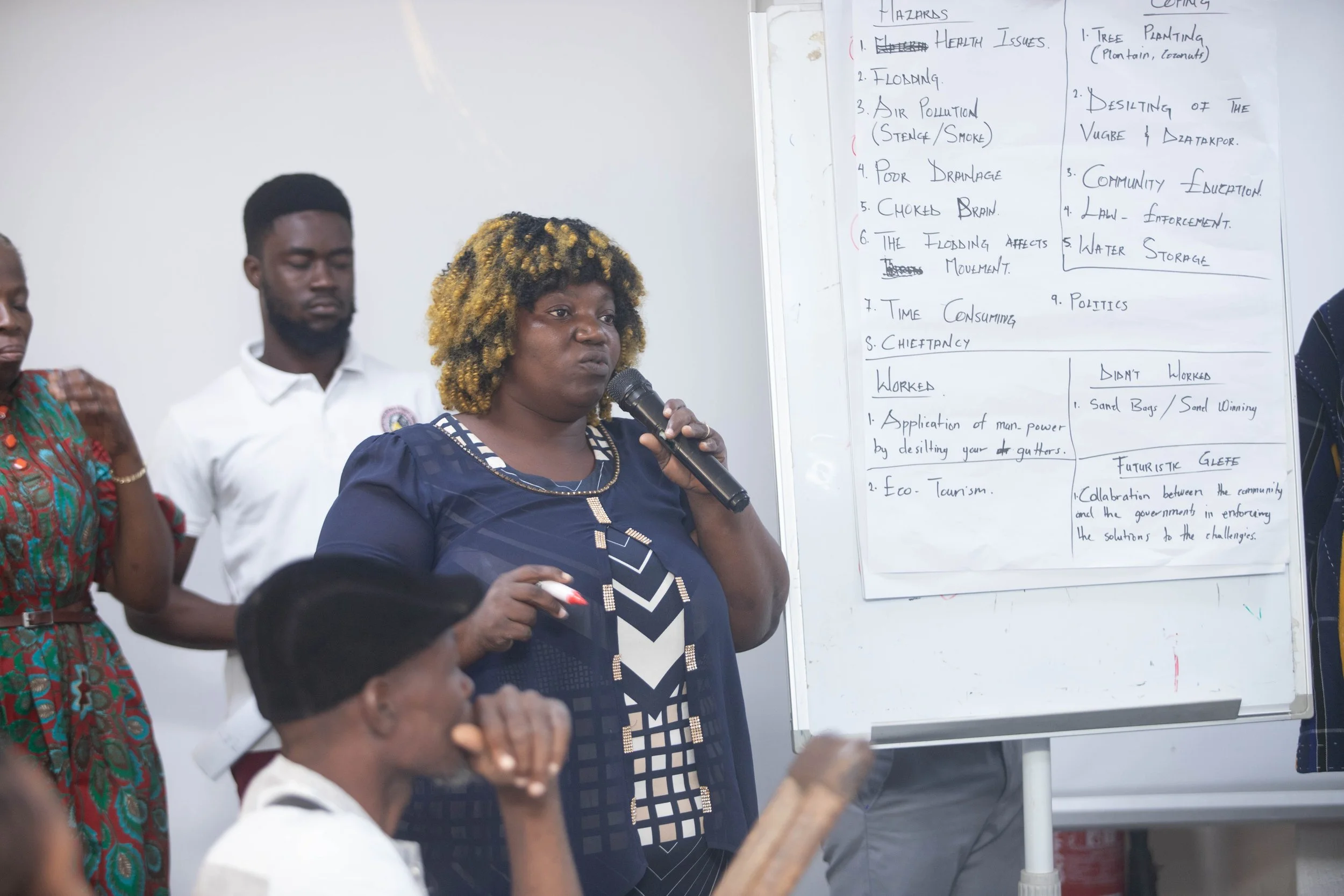
Flooding incidents are worsened by poor drainage systems, urban sprawl and improper waste management. The objective of the project is to explore the use, or potential, of nature-based solutions to address climate change challenges in the Glefe settlement.
Nature-based solutions could address the issue of flooding, check sprawling development and provide green recreational spaces along the lagoon. Some approaches are already being used by municipal and district assemblies, mostly in response to flood management and extreme heat.
In these examples, close-knit communities of local residents work together to enhance ecosystem services that could be used to support communities in becoming climate-resilient.
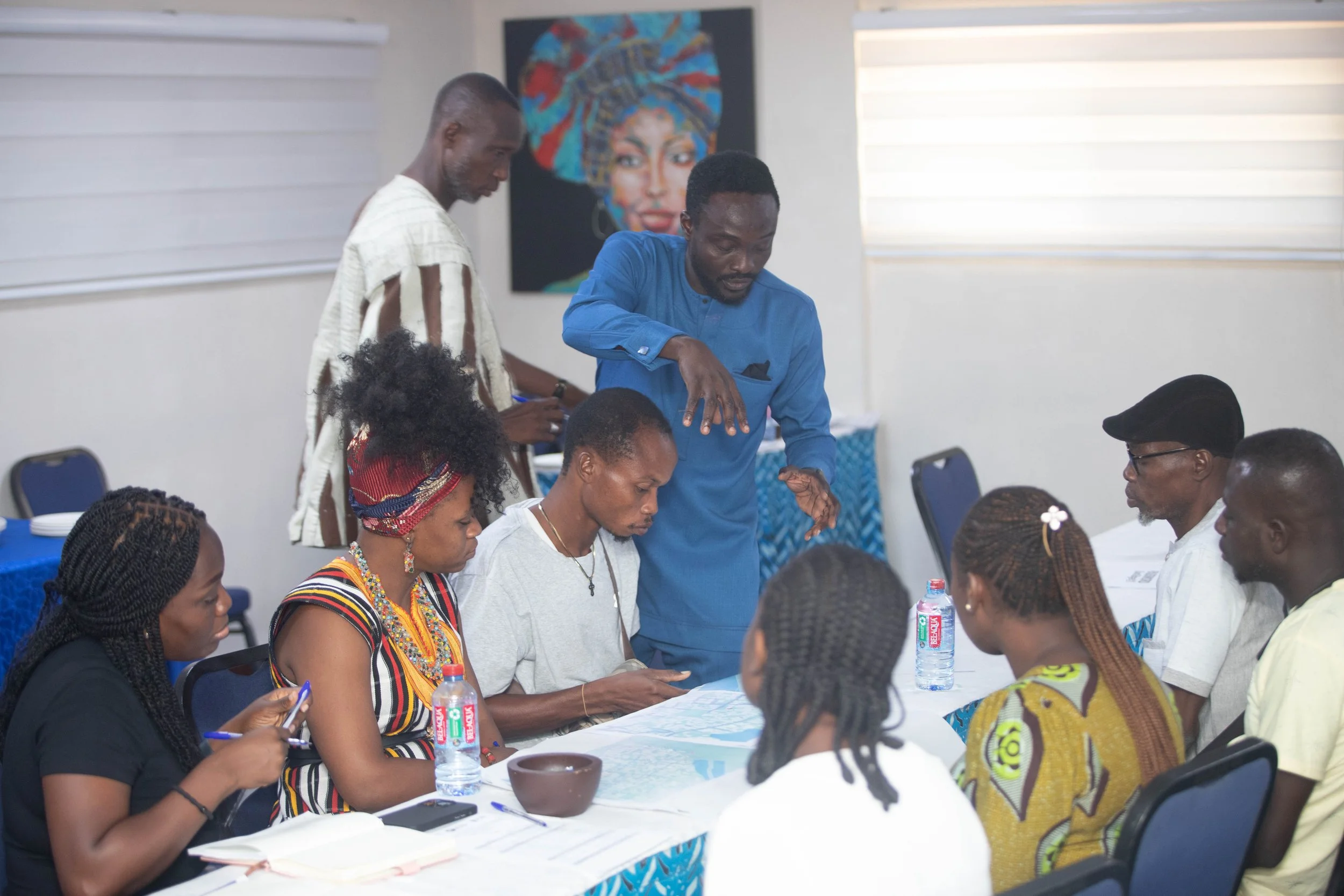
Climate challenges in Glefe
Glefe is a flood-prone area and at high risk due to sea level rise, storm surge, energetic waves and heavy rains. Poor drainage systems have resulted in the formation of stagnant waters on the roads leading to poor quality roads in the settlement.
The relatively low-lying areas get flooded as the strong waves aided by the rising sea level break closer to the shores. The second challenge is the dumping of refuse in the lagoons leading to the siltation of the lagoons and communicable disease challenges.
Ensuring long-term resilience
Tuwe Pamoja’s work in Accra aims to create awareness among the residents and city officials on the use of nature-based solutions in addressing climate change challenges in the settlement and the tradeoffs associated with the actions.
It also seeks to strengthen capacity in climate change adaptation using nature-based solutions among key stakeholders including the residents, traditional leaders, local government and city officials.
About Gelefe informal settlement
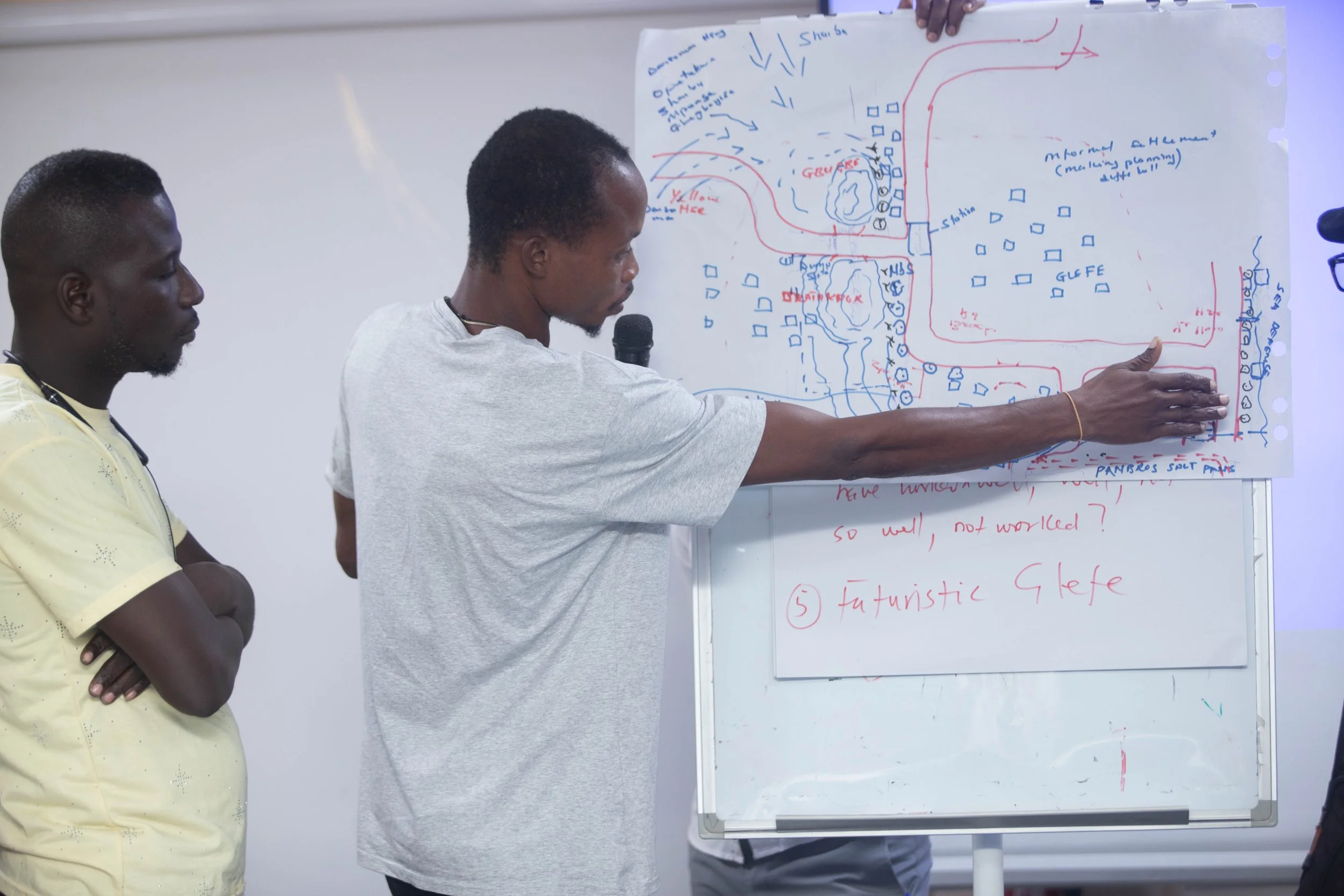
Glefe is a coastal urban area bordered by the sea and two lagoons, with a history of flooding, flood-induced displacement and the recent construction of sea defense wall.
In the past, coconut trees were planted along the coastlines of the sea and the lagoons. However, most of the coconut trees have been cut down to allow for expanding development along the lagoon and those on the coast of the sea did not survive.
Choosing this settlement will showcase the intersections between climate change and the realities of informal urban development in an urban coastal settlement, and the role of nature-based solutions in addressing these challenges.
Accra team


Tuwe project activities within Accra include experts who can provide academic and community-linked perspectives.
City Academic Lead is Professor Irene Appeaning Addo, from the University of Ghana, the ARUA Centre of Excellence in Climate & Development (ARUA-CD) at the University of Cape Town, and the Institute for Environment and Sanitation Studies (IESS). The Academic Team includes Kwasi Appeaning Addo and Adelina Mensah from the Unveirsity of Ghana, ARUA-CD, and IESS. Also included is Yaw Atiglo, from the Regional Institute for Population Studies (RIPS) at the University of Ghana.
Slum Dwellers International support includes Affiliate Lead Farouk Braimah, Executive Director of People's Dialogue on Human Settlements (PD). He is supported by PD’s Salifu Abdulmujib.


CLARE is a flagship research programme on climate adaptation and resilience, funded mostly (about 90%) by UK Aid through the Foreign Commonwealth and Development Office (FCDO) & co-funded by the International Development Research Centre (IDRC), Canada.


