


Tuwe Pamoja in Lusaka aims to co‑develop and implement a community‑driven Climate Resilient Development Pathways (CRDP) for the urban informal settlement of Kalikiliki.
Climate change in Lusaka has impacted river ecosystems, which supply water and sources of livelihood to city residents. Managing water resources sustainably and coupling them with nature-based solutions (NbS) could make residents more climate resilient and improve their economic standing.
Project work in Lusaka aims to strengthen resilience at the intersection of water, waste management, and livelihoods through inclusive, evidence‑based, and participatory approaches that empower local actors, reduce climate risks, and enhance sustainable development opportunities.
Nature-based solutions in Kalikiliki
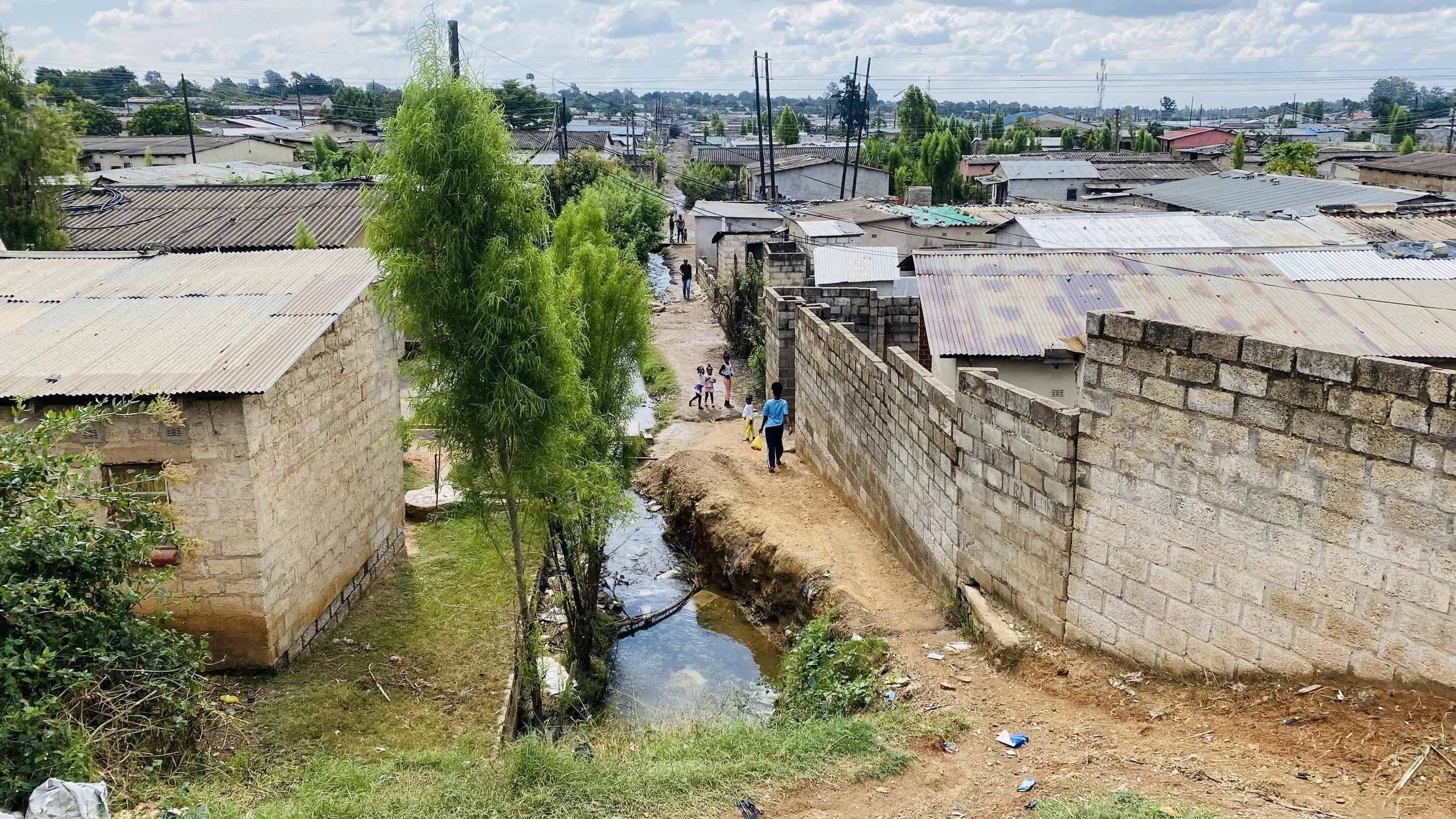
The focus of this work is Kalikiliki, which is an informal settlement in Lusaka that developed along a river system called Kalikiliki.
The settlement has developed independently very close to the river, where there is persistent flooding.
The area has been selected specifically for this reason, which offers opportunities for interventions that utilise nature-based solutions.
These interventions draw on the successes of similar solutions that have been done in another settlement called Kanyama, also in Lusaka.
Climate challenges in Kalikiliki
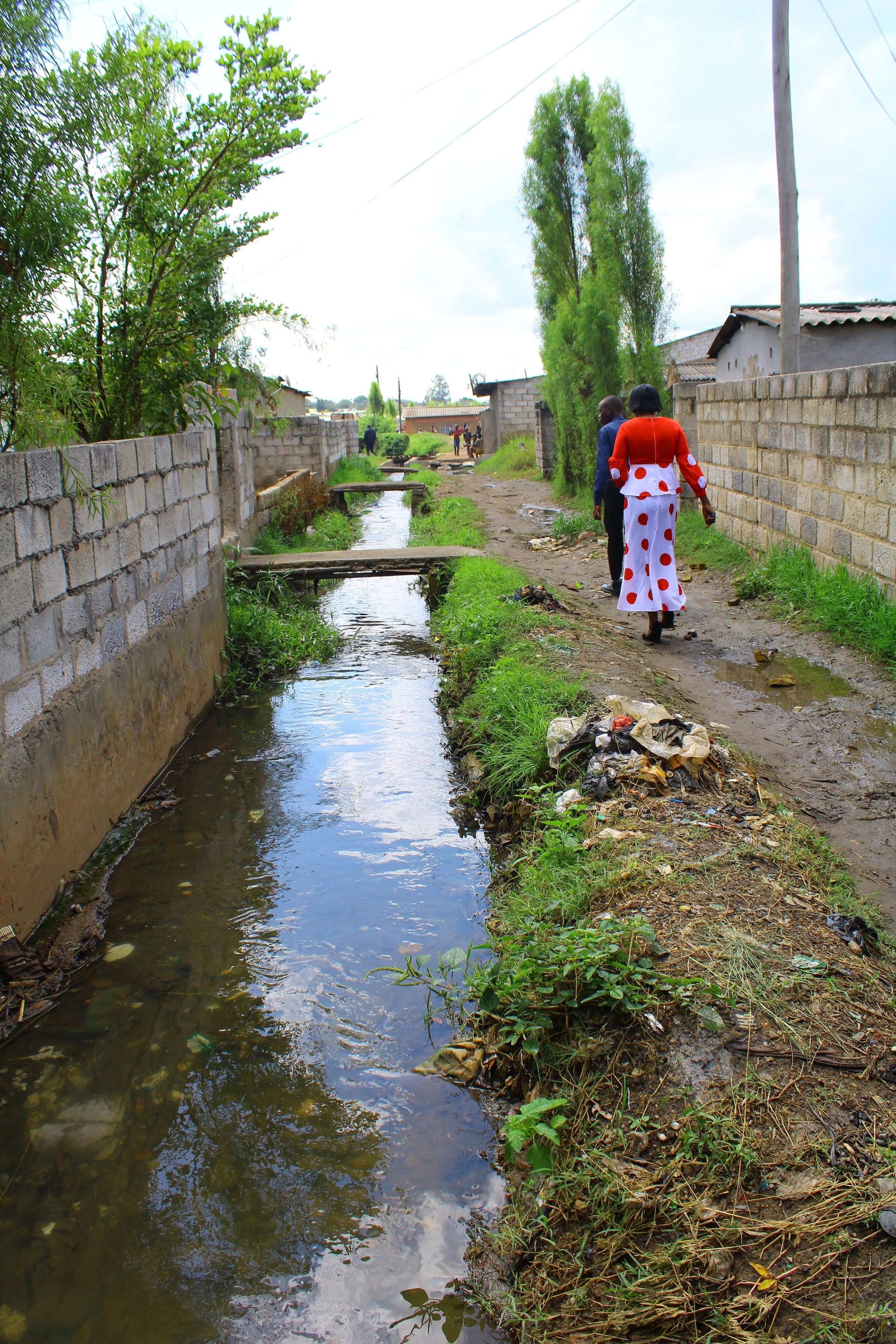
Persistent flooding in Kalikiliki due to changing rainfall patterns is becoming increasingly prolonged. Houses near the river are always flooded.
Land pressure has led to residents to attempt to redirect the river channels on their own, in order to create land for construction. However, this does not stop the flooding.
Accessing clean water for drinking and domestic use is a challenge in Kalikiliki. Residents often turn to the streams as an alternative for domestic water needs. However, as wastewater run-off returns into the stream, contamination of the water as it passes through the settlement is a rising threat to the residents.
Co-designed interventions
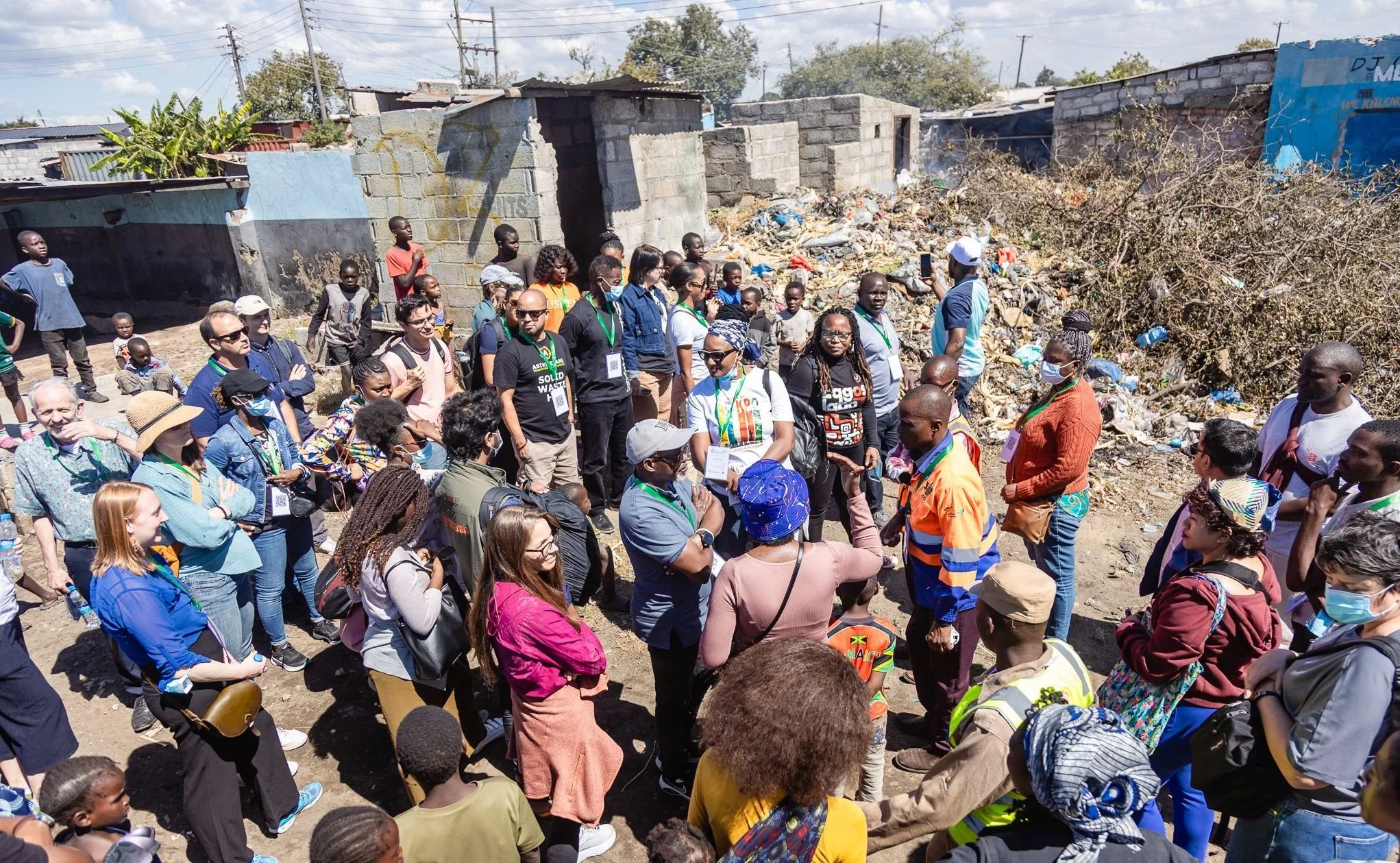
Nature-based solutions are the central pillar of the interventions Tuwe Pamoja aims to support in Kalikiliki. This integration will be done through several people-centred activities designed to build capacity among city actors in how to design and implement such activities.
These activities include building community understanding and envisioning of nature-based solutions through arts-based methods. Also, encouraging community crafted solutions through labs that enable co-design of nature-based interventions and harness green livelihood-linked opportunities. Institutional collaboration will also be carried out, to ensure nature-based solutions are embedded in local governance.
About Kalikiliki informal settlement
Building on community visions of hard infrastructure integrated with green and blue spaces in Lusaka, Tuwe Pamoja demonstrates how communities and city authorities can work together to identify pathways for climate-ready urban development.
Impacts Tuwe Pamoja aims to support are:
Strengthened community understanding, ownership, and participation in CRDP processes
Community members actively engage in CRDP visioning and decision-making.
CRDP and NbS concepts are understood in locally resonant terms.
Improved water and waste management systems that reduce climate risks and health vulnerabilities
Reduced illegal dumping and improved waste collection efficiency.
Enhanced drainage, sanitation, and flood preparedness.
Increased adoption of ecological waste solutions (composting and biogas).
Strengthened institutional collaboration and accountability for resilience planning
WDCs, Councillors, churches, schools, CSOs, and academia coordinate effectively.
Community accountability systems have been established for waste and environmental management.
Expanded green livelihood opportunities through community-led innovation
Income from composting, recycling, and circular-economy initiatives, with a focus on youth and women engagement in ecological livelihoods.
Lusaka team
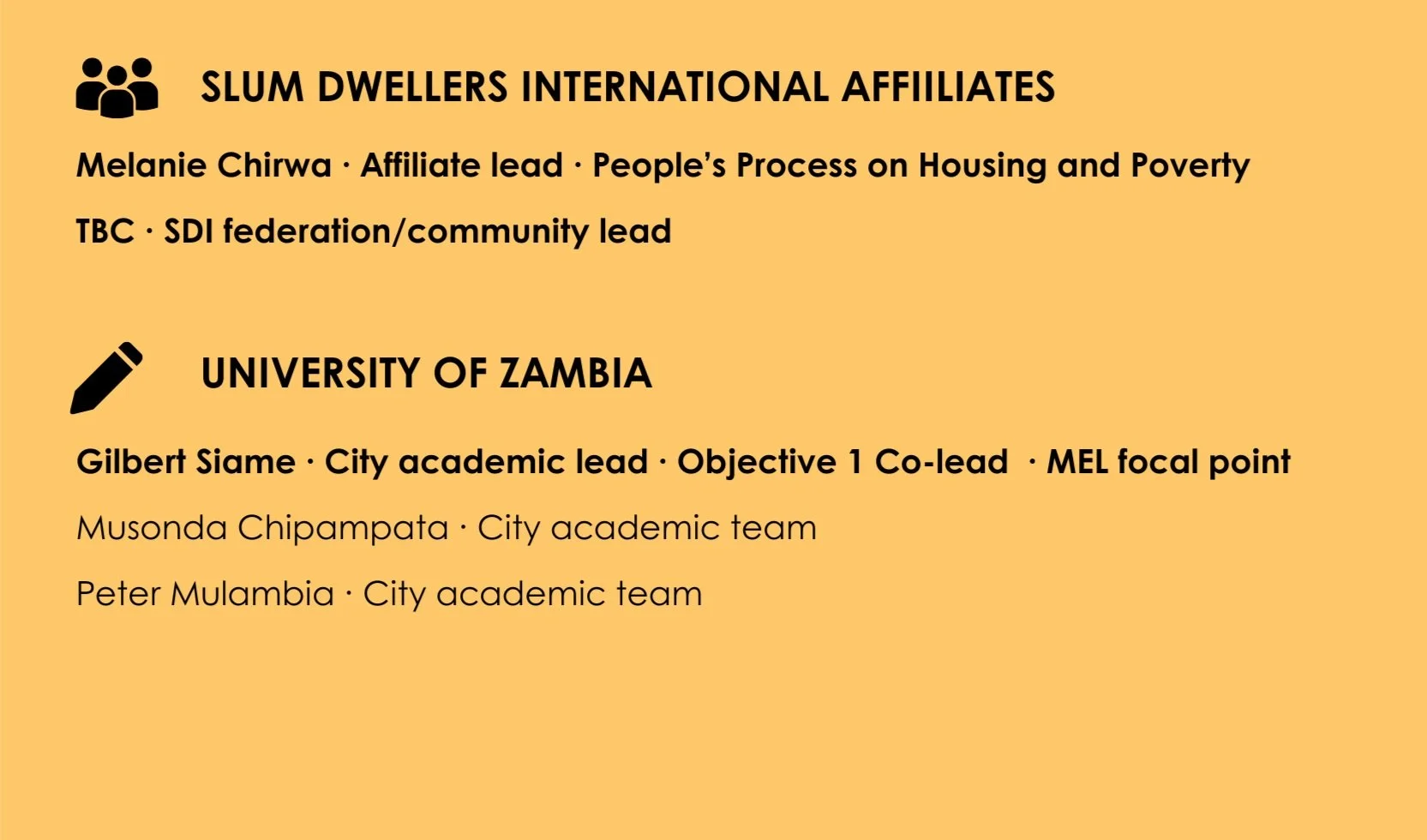

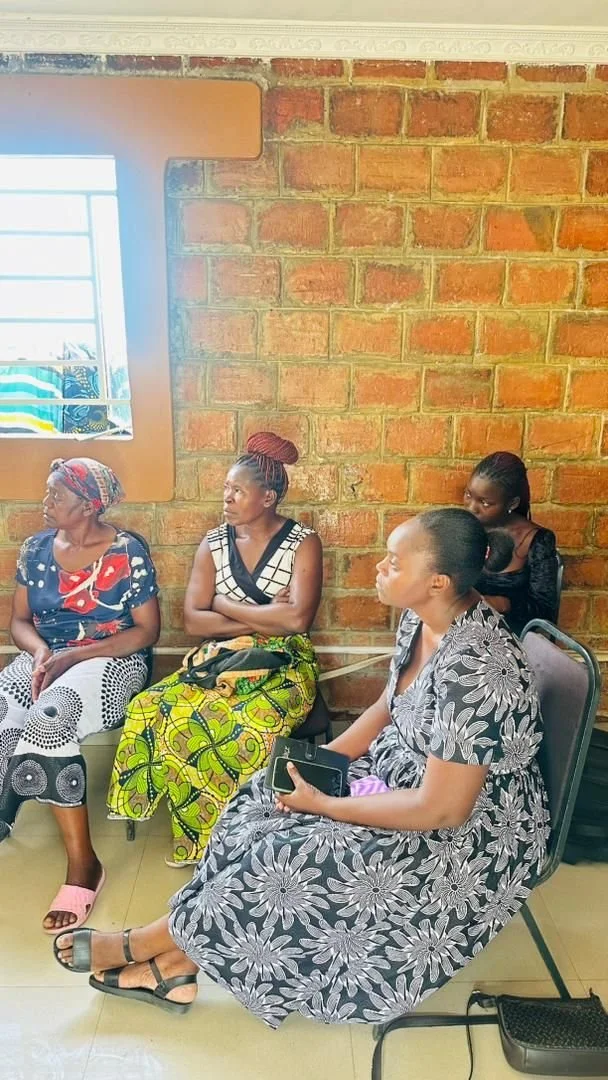
Tuwe project activities within Lusaka are overseen by a team of locally rooted leads who provide academic and community-linked perspectives.
City Academic Lead is Dr Gilbert Siame, from the Department of Geography and Environmental Studies at the University of Zambia (UNZA). He brings expertise in urban climate resilience, processes of co-governance and social science research. The Academic Team includes Musonda Chipampata and Peter Mulambia, both from UNZA.
Slum Dwellers International support includes Affiliate Lead Melanie Chiwara from the People’s Process on Housing and Poverty in Zambia (PPHPZ), with a focus on disability health and illness, sociology, community engagement and capacity building.

CLARE is a flagship research programme on climate adaptation and resilience, funded mostly (about 90%) by UK Aid through the Foreign Commonwealth and Development Office (FCDO) & co-funded by the International Development Research Centre (IDRC), Canada.


